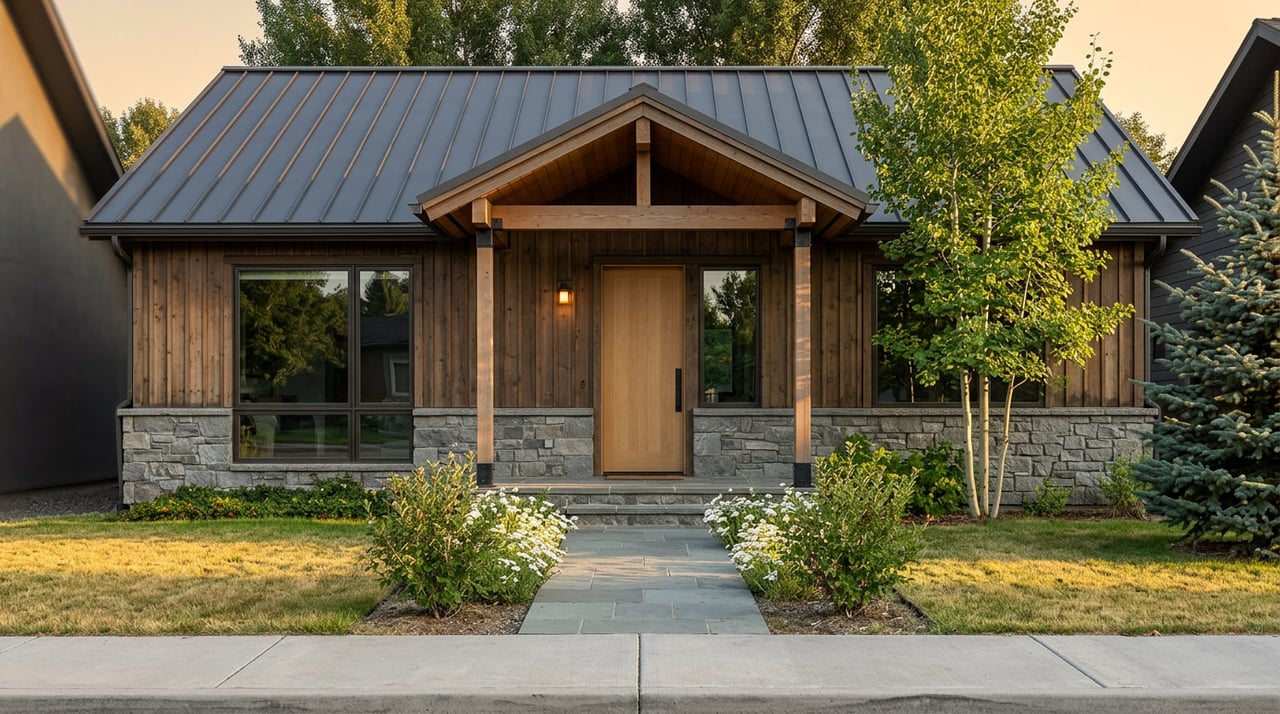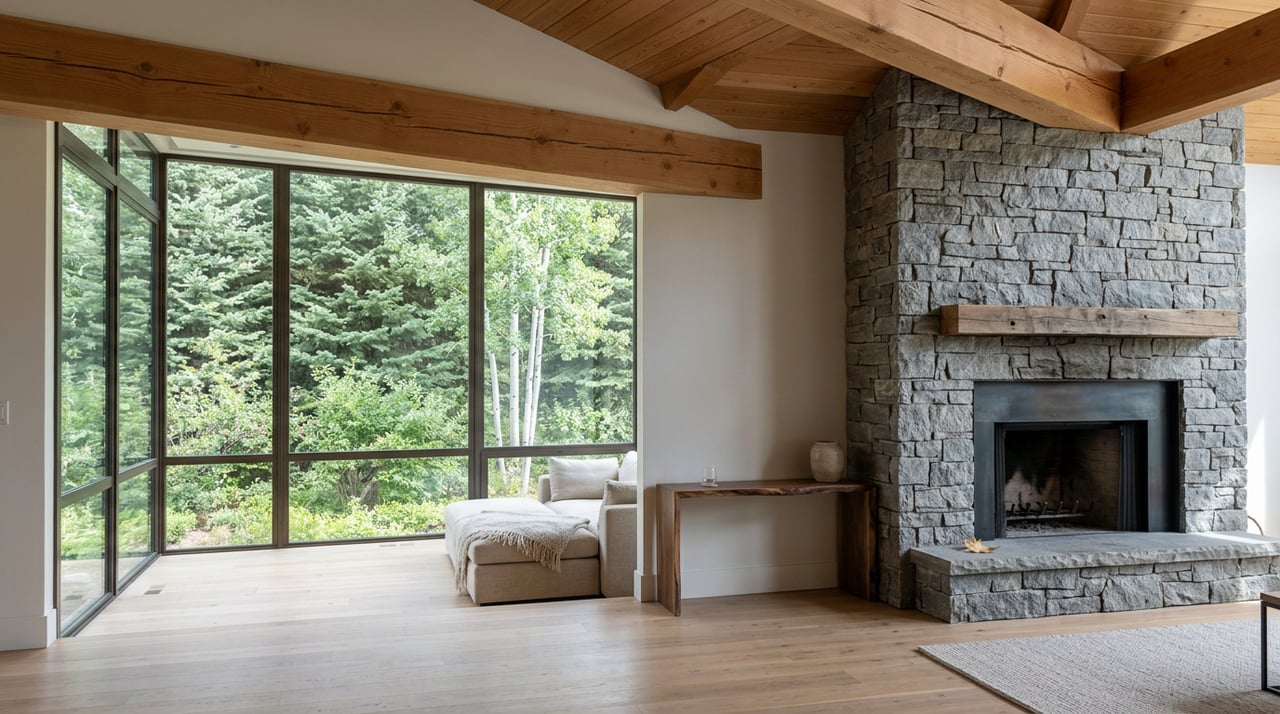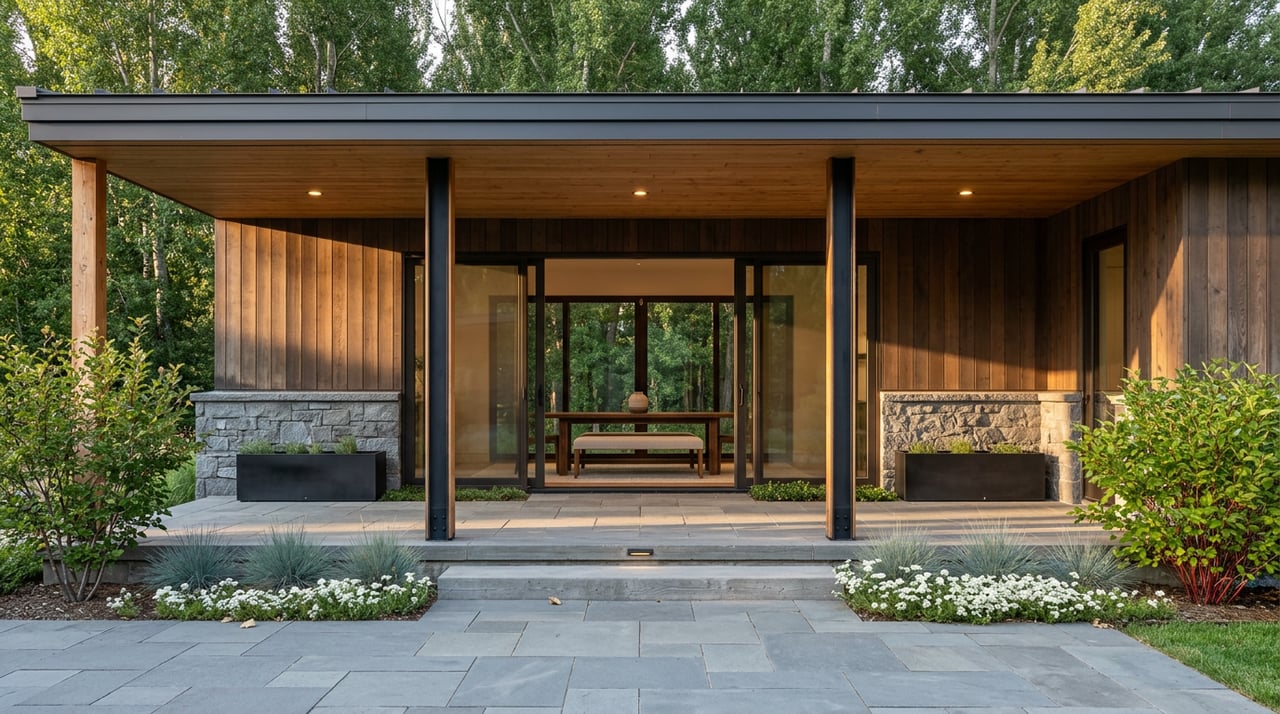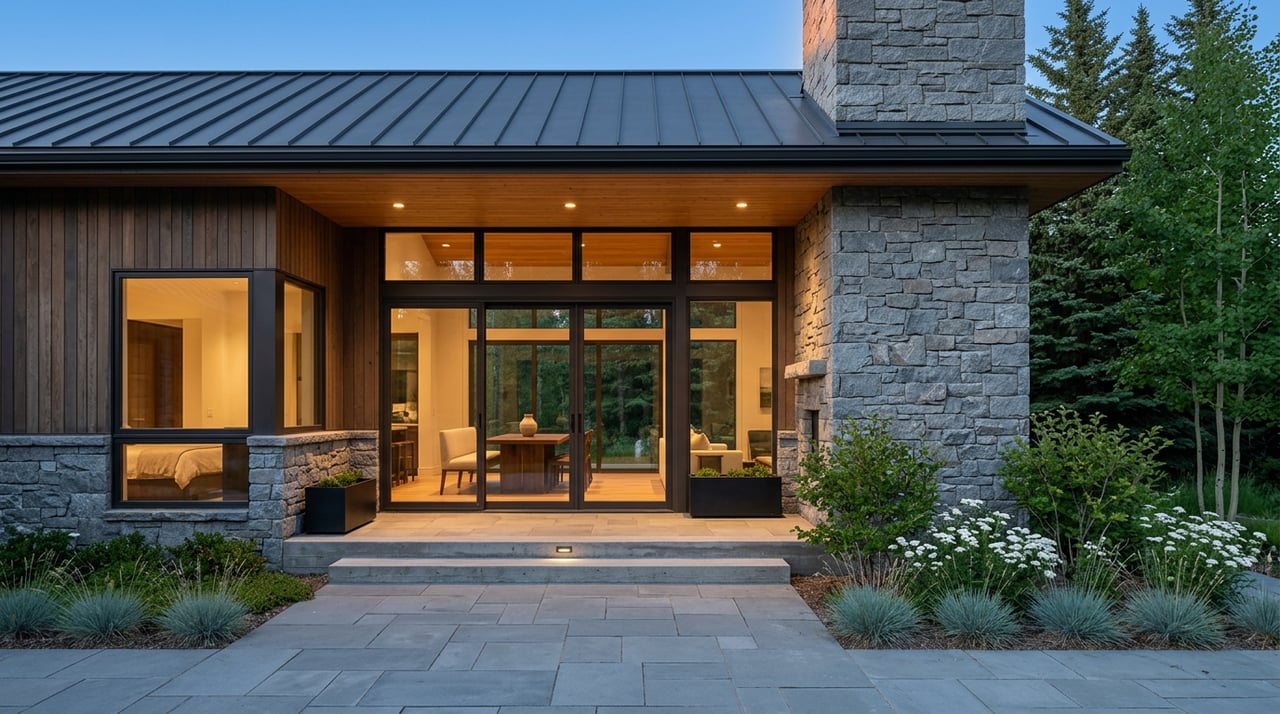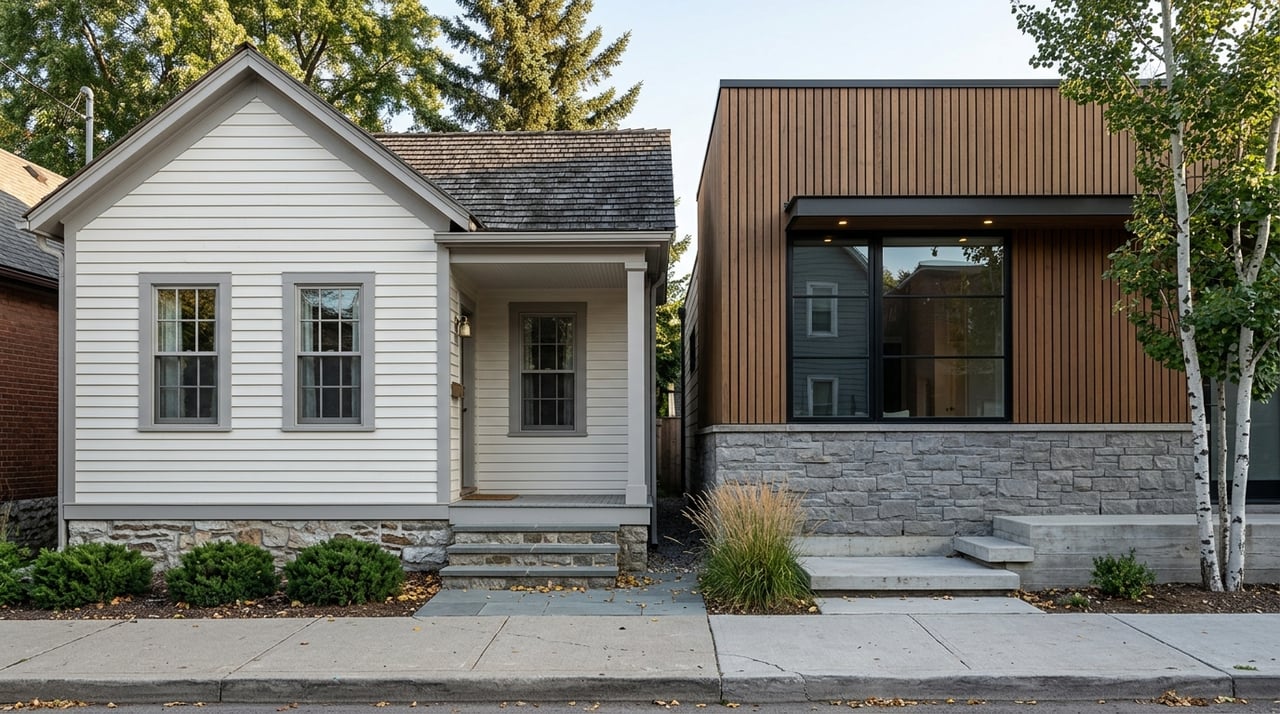
If you only know Aspen through its storefronts and ski culture, the West End can feel like a quiet surprise. Here, the story of the city unfolds block by block through cottages, porches, church forms, modern angles, and carefully preserved streetscapes. If you are curious about what makes this neighborhood so distinct, this walking tour will help you read the West End with a sharper eye. Let’s dive in.
Why Aspen’s West End Stands Out
The West End is one of Aspen’s most legible historic neighborhoods. The Aspen Historical Society describes it as a quiet, tree-lined residential area shaped by Victorian and midcentury modern architecture, with broader historical references to native Ute activity and the area’s former racetrack and rodeo past.
What makes the neighborhood memorable is not just a handful of notable homes. It is the way architecture, streets, lawns, alleys, and open space all work together. The City of Aspen treats historic places as an active part of planning, which helps explain why the West End feels layered and cohesive rather than staged or frozen.
Start With the Streetscape
Before you focus on any one house, notice the structure of the neighborhood itself. Aspen’s historic design guidelines describe the original townsite as a grid with orthogonal streets and façades, and that early pattern still shapes how the West End reads today.
You can also see how residential character was built into the neighborhood fabric. The city points to front-yard alignment, visible open space, alleys, and historic irrigation ditches as defining features of Aspen’s residential areas, especially on the west side of town. In the West End, those elements are part of the architecture, even when they are not buildings.
Look for Aspen’s Earlier Residential Forms
Aspen’s silver boom in the 1880s created the neighborhood’s earliest architectural layer. By 1884, the city had more than one hundred homes and over twenty business buildings, according to the city’s preservation guidelines.
One of the most common historic residential forms that remains in Aspen is the vernacular miner’s cottage. These were typically simple wood-frame houses with porches, bay windows, and limited ornament. As you walk the West End, those smaller homes help anchor the neighborhood’s scale and rhythm.
Stop at Wheeler/Stallard Museum
For a clear Victorian reference point, begin at the Wheeler/Stallard Museum on West Bleeker. The Aspen Historical Society says the Queen Anne-style house was built around 1887 or 1888 for Jerome B. Wheeler, and it remains the only home in Aspen to have occupied an entire city block.
The museum gives you a strong visual starting point for the West End’s boom-era ambition. Its scale, detailing, and setting offer a contrast to the simpler cottages nearby, showing that Aspen’s early residential history always included both modest homes and more prominent residences.
Read the Neighborhood Around It
Once you leave the museum grounds, the nearby blocks begin to tell a more domestic story. You will notice porches, varied rooflines, and a more intimate streetscape that feels distinctly residential rather than commercial.
That difference matters. City historic guidelines note that Aspen’s original commercial district developed closer to the base of Aspen Mountain, while residential districts reflected the town’s expansion and settlement pattern. In practical terms, the West End reads as quieter, more open, and more neighborhood-oriented than downtown.
Notice the Shift to Modernism
One of the most interesting parts of a West End walk is the transition from Victorian Aspen to postwar Aspen. The neighborhood does not present these eras in separate zones. Instead, they appear side by side, which is part of what makes the area so visually rich.
AspenModern identifies mid-20th-century architecture as a major chapter in Aspen’s local history. In the West End, that story includes architect and designer Herbert Bayer, who lived in a Victorian cottage at 234 W. Francis and designed modernist residences at 240 Lake Avenue and 311 North Street.
What to Look for in Modern Homes
Bayer’s work drew from a Bauhaus and International style vocabulary. As you walk, look for rectilinear forms, flat roofs, glass, cantilevers, and restrained material palettes.
These homes often feel more abstract than their Victorian neighbors. Where the earlier cottages emphasize porch life, ornament, and alignment with the street, modernist homes often emphasize geometry, light, and a direct relationship to the landscape.
Watch the Orientation Change
The City of Aspen’s guidelines point out another useful clue: some postwar buildings in the original townsite were angled on their lots to face mountain views. That means not every later house follows the same strict alignment as the historic grid.
When you notice a home that feels slightly rotated or more view-driven, you are seeing a different design philosophy at work. It reflects a moment when Aspen architecture began to engage the mountains more directly, not just the street.
Explore Lake Avenue and North Street
If you want to understand the West End’s layered identity, Lake Avenue and North Street are especially revealing. These areas help show how modern homes were inserted into an older neighborhood fabric without fully erasing what came before.
AspenModern notes Bayer’s residences on Lake Avenue and North Street, and Victor Lundy’s 301 Lake Avenue from 1972 adds another notable modern chapter. Together, these homes illustrate how postwar design expanded the visual vocabulary of the West End.
See Compatibility Instead of Imitation
One reason these shifts feel coherent is that change in Aspen is actively managed. The city’s preservation framework says new work should be compatible in mass and scale, preserve the character of setbacks and open space, and remain recognizable as contemporary rather than imitating older architecture.
That principle helps explain why infill in the West End can feel refined at the street level. The goal is not to copy the past exactly. It is to let the neighborhood evolve in a disciplined way.
Don’t Miss the Midcentury Variety
Modernism in the West End is not limited to high-style architectural statements. AspenModern also identifies Pan Abode cedar-log homes in the broader West End area, including examples on West Francis and West Hallam.
These homes add a different postwar note to the neighborhood. They show that Aspen’s midcentury housing culture included both architect-driven modernism and more rustic prefabricated vacation-house solutions.
Include Christ Episcopal Church
Another important West End landmark is Christ Episcopal Church, designed by Francis Rew Stanton in 1963. It adds a civic and spiritual architectural layer to a neighborhood often discussed through houses alone.
On a walking tour, buildings like this broaden your understanding of the area. The West End is not just a collection of residences. It is a neighborhood where several building types contribute to the overall architectural conversation.
End Near the Meadows Edge
A satisfying way to finish the walk is near the Aspen Meadows and Aspen Institute edge of the neighborhood. The Aspen Historical Society’s current West End tour uses trails, sidewalks, lawns, and streetsides through this area, which reflects how naturally the neighborhood connects to a broader institutional landscape.
This part of the walk helps you see how the West End opens outward. Victorian domesticity gives way to larger modern ideas, and the neighborhood’s visual language expands from house scale to campus scale.
Why the West End Feels So Cohesive
It is easy to assume that a neighborhood this visually calm simply stayed the same. In reality, the West End has changed over time, but under a clear set of preservation and planning rules.
The City of Aspen notes that properties within historic districts, along with individually designated historic properties, are subject to preservation review before exterior work begins. The Historic Preservation Commission reviews development, demolition, relocation, and related variations for those properties. That oversight helps preserve continuity while still allowing evolution.
Not Every House Is Historic
This is an important distinction for anyone exploring or considering property in the area. The city makes clear that not every house in the West End is historic, even though the neighborhood contains a strong historic fabric.
That mix is part of the appeal. You will find older homes, later modern residences, and contemporary infill sharing the same broader streetscape, which gives the West End its layered, quietly edited character.
What This Means if You Love Aspen Architecture
If you are drawn to Aspen for more than ski access and scenery, the West End offers a different kind of value. It lets you experience how architecture, planning, and landscape combine to create a neighborhood with real continuity.
For buyers, that can mean a deeper appreciation of siting, preservation context, and the subtle ways one block differs from the next. For owners, it is a reminder that West End appeal is shaped not only by individual homes, but also by the discipline of the surrounding streetscape.
The best walking tours leave you with more than a list of addresses. In the West End, they show you how Aspen grew, adapted, and preserved its character through multiple architectural eras, all within a few quiet, beautiful blocks.
If you are considering a home in Aspen and want guidance grounded in neighborhood nuance, local context, and a refined understanding of what makes each block distinct, Tara Cathcart & Susan Lodge offer a thoughtful, discreet approach tailored to the Aspen market.
FAQs
What makes Aspen’s West End different from downtown Aspen?
- The West End reads as a quieter, tree-lined residential neighborhood, while Aspen’s historic commercial district developed closer to the base of Aspen Mountain.
Is every home in Aspen’s West End historic?
- No. The neighborhood contains historic fabric, but not every property is historic or individually designated.
What architectural styles can you see in Aspen’s West End?
- A walking tour may include Victorian homes, vernacular miner’s cottages, midcentury modern residences, Pan Abode cedar-log homes, and contemporary infill.
Why do some West End homes look angled on their lots?
- City design guidance notes that some postwar buildings were set at an angle to face mountain views rather than follow the earlier street alignment exactly.
How is architectural change managed in Aspen’s West End?
- The City of Aspen uses historic-preservation review for designated historic properties and properties within historic districts, helping guide compatible exterior changes and new development.
Where should you start an architectural walking tour of Aspen’s West End?
- A strong starting point is the Wheeler/Stallard Museum area, then continue through nearby residential streets toward Lake Avenue, North Street, and the Aspen Meadows edge.