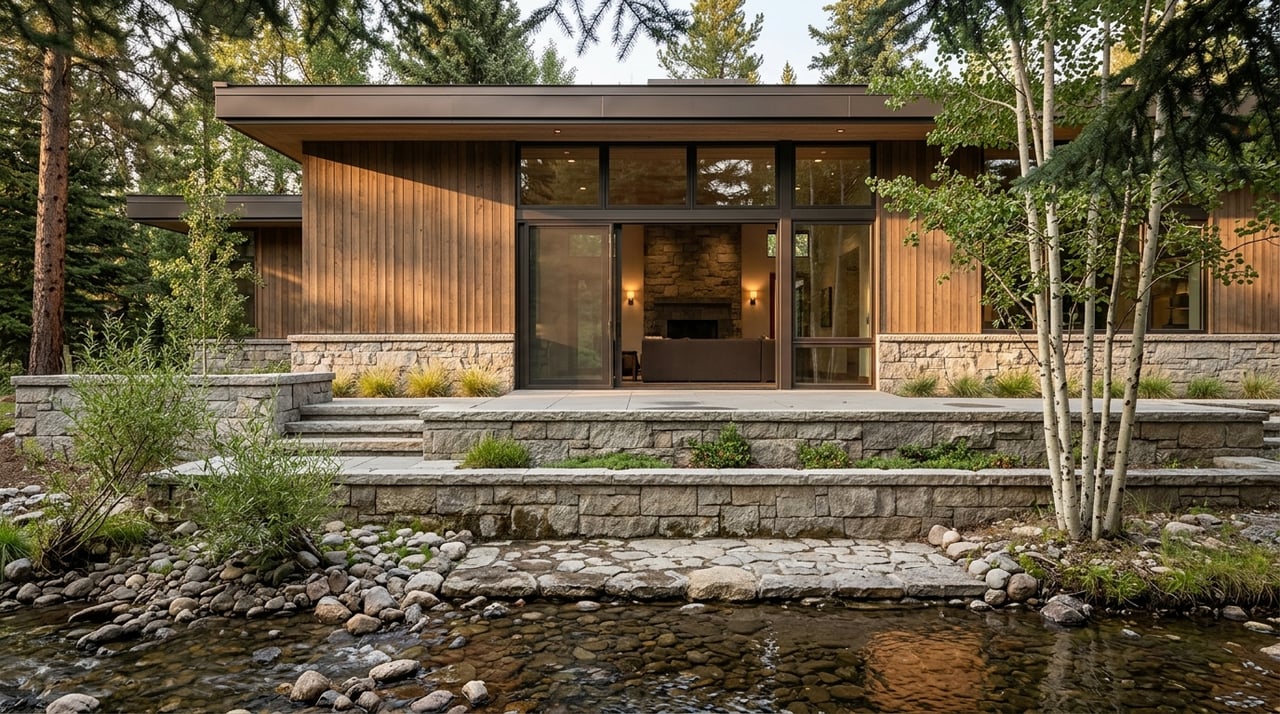
If you are drawn to East Aspen, you are probably not choosing between two addresses so much as two very different ways of living. One home may place you near the Roaring Fork corridor with flatter access, easy trail connections, and a close relationship to water and open space. Another may sit higher on the hillside, trading level terrain for bigger views, winding-road privacy, and a stronger sense of elevation. This guide will help you sort the difference, clarify the tradeoffs, and narrow your search with more confidence. Let’s dive in.
East Aspen Offers Distinct Daily Experiences
East Aspen is best understood as a corridor with several property experiences, not a single housing type. The Aspen Area Community Plan places the East of Aspen neighborhoods and Red Mountain within the Urban Growth Boundary, while also noting that some land in the area is in unincorporated Pitkin County. For you as a buyer, that matters because jurisdiction can affect permitting, land-use review, and neighborhood standards.
In practical terms, East Aspen includes valley-floor homes near North Star Nature Preserve as well as steeper enclaves reached by winding roads, including areas such as Mountain Valley and Knollwood. You are still relatively close to downtown, but your day-to-day routine can feel very different depending on where you land. That is the real decision point.
There is also a seasonal rhythm to this part of Aspen. When Independence Pass closes, East Aspen can feel more tucked away, almost like a cul-de-sac. For many buyers, that added sense of separation is part of the appeal.
Riverfront Living in East Aspen
River-adjacent living in East Aspen tends to suit buyers who want ease, movement, and a strong connection to the landscape at ground level. The East of Aspen Trail is 3.1 miles long, easy, and one of Aspen’s most gradual scenic routes, running alongside the Roaring Fork River for more than 3 miles. It also includes a wildlife-viewing stand at North Star Nature Preserve, which reinforces the corridor’s quiet outdoor character.
The Rio Grande Trail adds another layer of convenience. It is 19 miles long, paved, and maintains a grade of no more than 3%, which supports easier biking and walking. If your ideal day includes stepping outside for a dog walk, a bike ride, or a flatter route into town, this setting can feel very natural.
What Riverfront Living Often Feels Like
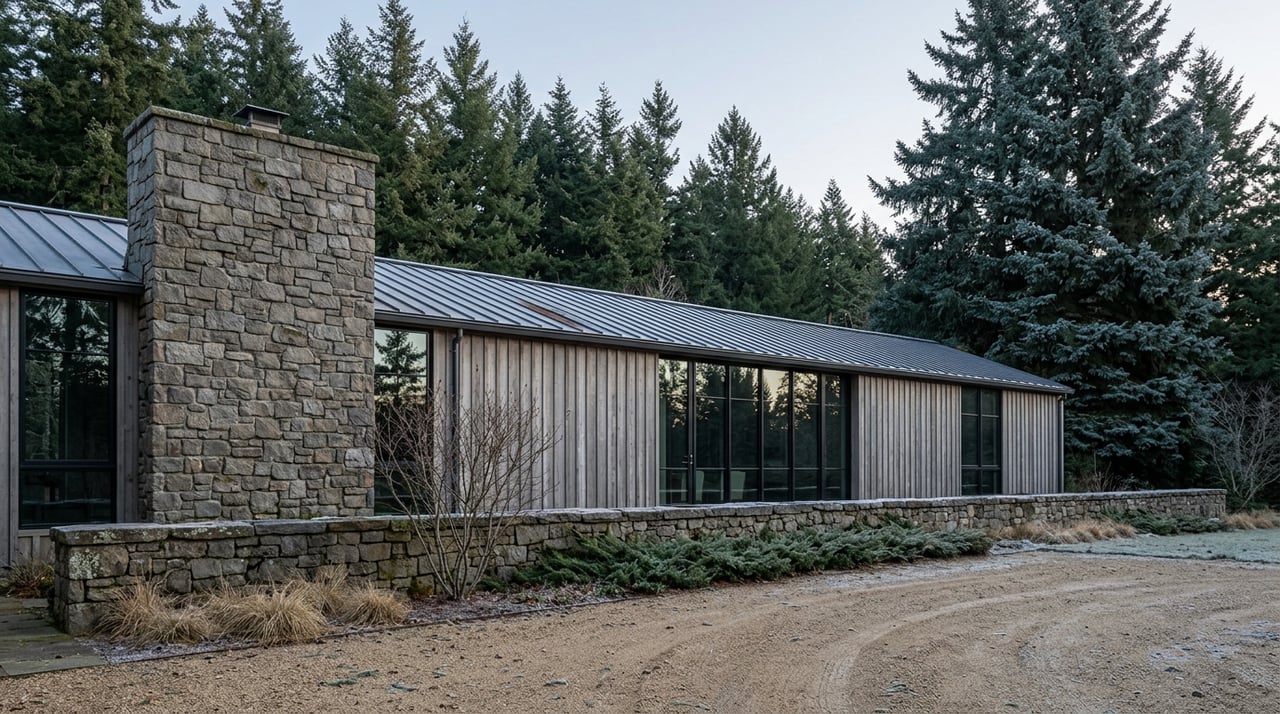
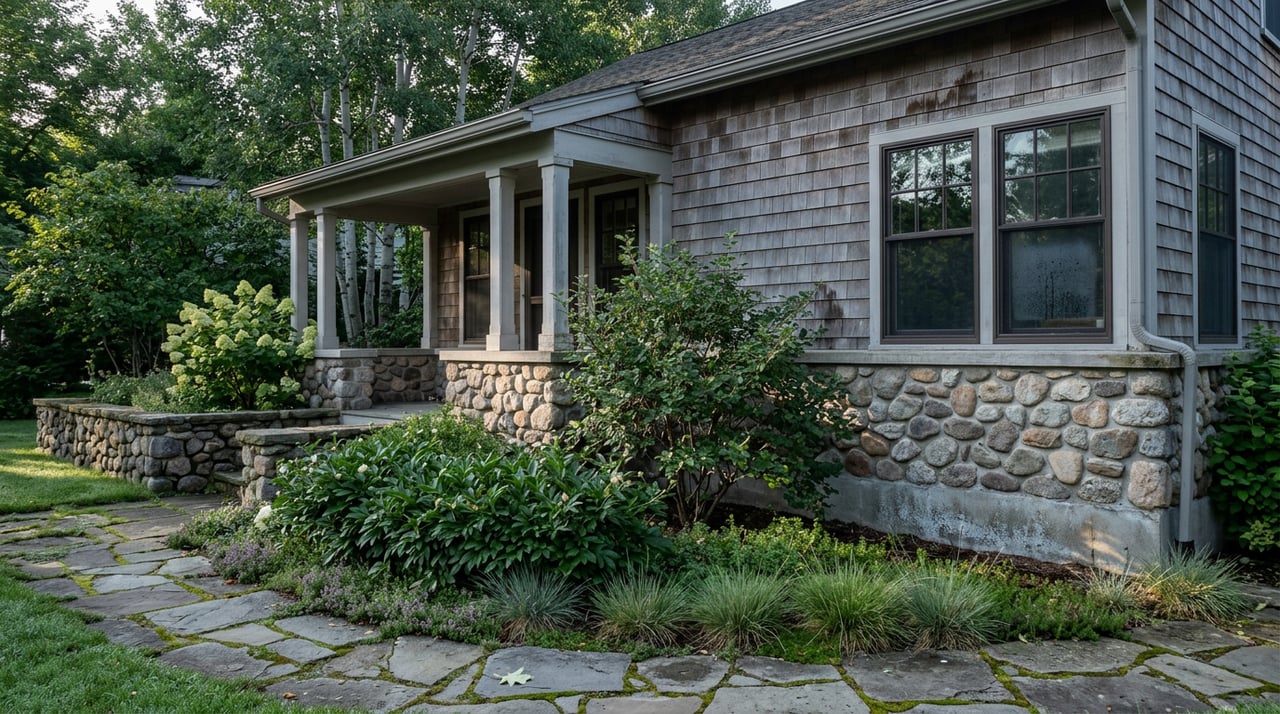
In East Aspen, river-adjacent homes often prioritize low-friction use over dramatic elevation. You may find that the appeal is less about being high above town and more about having direct access to scenic open space, riverside movement, and outdoor living close to grade. For many buyers, that creates a relaxed rhythm that feels easy to use every day.
This setting can also support simpler guest arrival and circulation than steeper hillside lots. Wider, more level approaches and direct terrace access often pair well with how these parcels relate to the surrounding landscape. If you like indoor-outdoor entertaining, that can be a meaningful advantage.
Key Considerations for River-Adjacent Homes
The tradeoff is that you need to evaluate site conditions carefully. Aspen’s stormwater guidance notes that owners with land in the 100-year floodplain should review Flood Insurance Rate Maps, and that riparian areas next to the Roaring Fork River and its tributaries are often referred to as flood-hazard areas. Drainage, floodplain status, riparian buffers, and long-term site maintenance should be part of your search early on.
Trail adjacency can also shape the ownership experience. Public easements in Aspen are often bordered by private property, and trail rules vary by trail type. If a home sits near a public trail edge, it is worth confirming exactly how that interface works before you move too far into diligence.
Hillside Living in East Aspen
Hillside living in East Aspen offers a different reward. Here, the appeal is often tied to elevation, broader valley views, and a stronger sense of topographic drama. If you picture Aspen living as deck-side mornings, layered mountain outlooks, and a home that takes full advantage of a slope, the hillside side of East Aspen may feel like the better fit.
The area’s trail network offers a strong clue to the terrain. Hunter Creek Trail climbs more than 700 vertical feet in its first mile, the Ute Trail rises roughly 700 vertical feet above town to an overlook before continuing upward, and Red Butte Trail offers valley views as it winds uphill. These trail profiles are useful proxies for the grades and contours that shape hillside parcels.
What Hillside Living Often Feels Like
Local reporting describes parts of East Aspen as quiet and secluded while still only minutes from downtown. On hillside sites, that balance can feel especially pronounced. You are not far from town, but the approach home may feel more private, more winding, and more removed from the flatter valley floor.
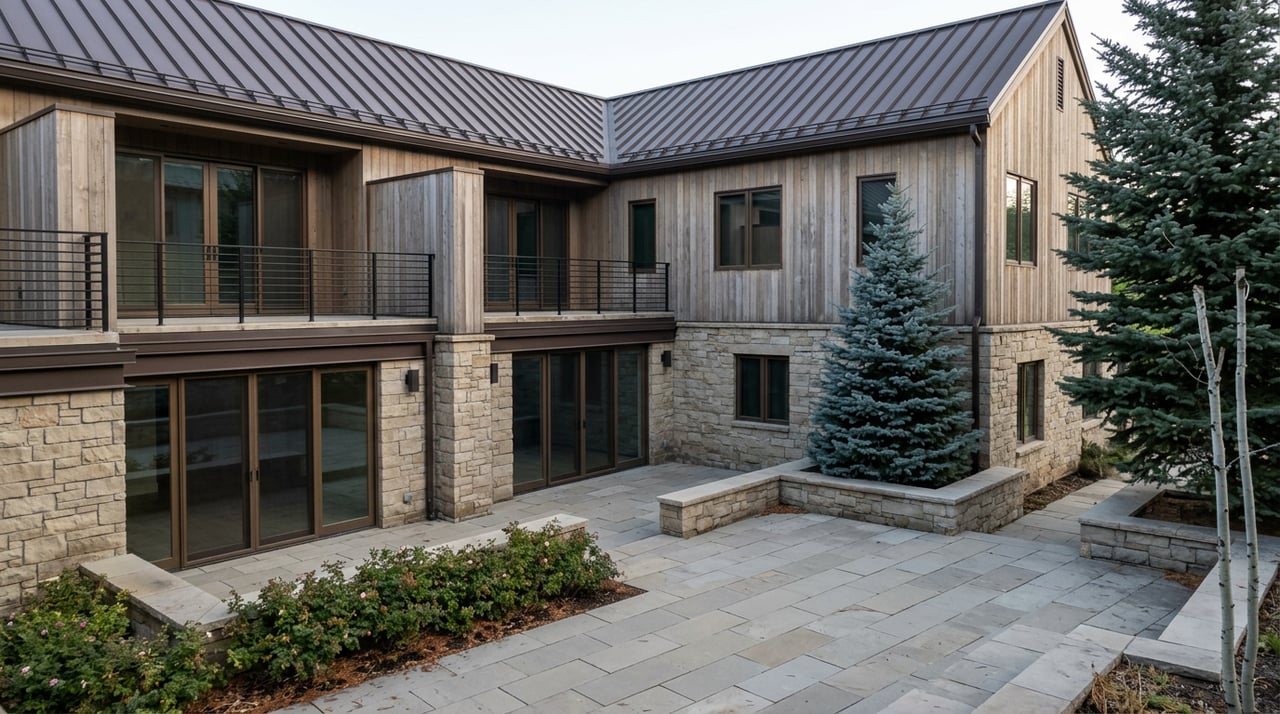
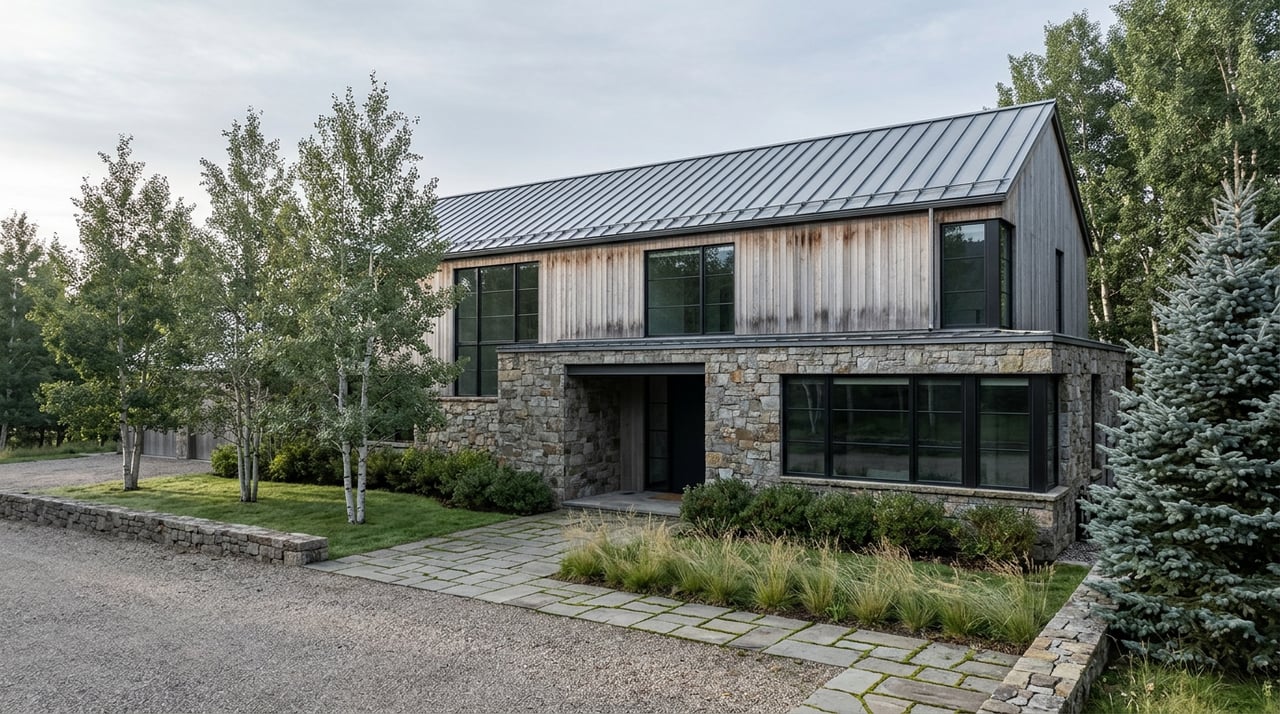
In many cases, the architecture follows the terrain. Hillside homes often lend themselves to multi-level floor plans, upper-level great rooms, and outdoor living spaces designed to capture views. On steeper lots, arrival sequence, garage placement, and internal circulation can matter as much as the finishes themselves.
Key Considerations for Hillside Homes
With hillside property, the view plane and the building envelope often deserve close attention. The Aspen Area Community Plan emphasizes protecting neighborhood character by minimizing site coverage, mass, and scale, and it also calls for maintaining scenic view corridors from Highway 82. That means the way a home sits on the land can be just as important as the square footage.
Access is another important filter. Some elevated neighborhoods are reached by steep, winding roads, which can shape your daily routine and guest experience. At the same time, Aspen’s free shuttle system serves Hunter Creek and Mountain Valley, which may soften some of the car dependence that can come with hillside living.
How to Choose the Right Fit
The clearest way to compare East Aspen options is to focus on your daily habits first. If you start with lifestyle instead of a street name, the right shortlist usually appears faster. In East Aspen, the decision is rarely about which setting is better. It is about which setting better matches how you want to live.
Choose Riverfront If You Value Ease
River-adjacent living may be the stronger fit if you want:
- Flatter walking routes
- Easier biking access
- Close contact with the Roaring Fork corridor
- Lower-stair daily living
- Outdoor spaces oriented to water, wetlands, or landscaped open space
This option often appeals to buyers who want their home to feel intuitive and easy to use, whether for a full season or shorter stays throughout the year.
Choose Hillside If You Value Views
Hillside living may be the stronger fit if you want:
- Broader valley or mountain views
- More perceived privacy
- A more dramatic natural setting
- Architecture that takes advantage of elevation
- A stronger sense of retreat above town
For many buyers, that payoff is emotional as much as visual. The home may ask a bit more of you in terms of terrain, but it gives back in outlook and atmosphere.
East Aspen Due Diligence Matters
Once you know which lifestyle you prefer, the next step is to pressure-test the parcel itself. In East Aspen, the property experience can change significantly based on land conditions, access, and jurisdiction. A polished showing is never a substitute for disciplined diligence.
Confirm Jurisdiction Early
Because East Aspen includes both city land and unincorporated Pitkin County land, you should verify jurisdiction before moving too aggressively on a property. Permitting and land-use review can differ depending on where the parcel sits. That can affect renovation plans, site changes, and long-term strategy.
Check Floodplain and Riparian Status
On river-adjacent homes, floodplain and riparian conditions deserve early review. Aspen’s guidance makes clear that this is not a detail to leave until the end of the process. If the land interacts with the Roaring Fork corridor, drainage and environmental constraints should be part of your first round of questions.
Review Easements and Access
On both riverfront and hillside properties, confirm whether trail easements or public access expectations apply. A home can feel secluded on a tour and still have an important public interface at the property edge. Knowing that early helps avoid surprises.
Consider Transportation and Seasonality
Transportation is part of the ownership experience in East Aspen. Shuttle service reaches Mountain Valley and Hunter Creek, which can be useful depending on where you buy. You should also account for the seasonal feel of the corridor, especially when Independence Pass is closed and the area feels more self-contained.
Factor in Landscaping and Irrigation
Landscaping now plays a more important role in the decision than many buyers expect. Aspen is under a Stage Three Water Shortage as of May 15, 2026, with mandatory outdoor-water reductions, and the city notes that about 60% of treated water is used outdoors. On larger estate lots in particular, low-water landscaping and efficient irrigation are no longer just design preferences. They are practical ownership considerations.
The Best Choice Is the One You Will Use Well
In East Aspen, the real question is not whether riverfront or hillside living is more desirable in the abstract. It is whether you want to optimize flatter river-corridor convenience or steeper hillside privacy and views. When you define that clearly, you can search for site conditions that support your routine instead of chasing a vague idea of location.
That is where a well-guided search becomes valuable. In a market as nuanced as Aspen, the strongest buying decisions often come from understanding how the parcel, terrain, access, and jurisdiction work together. If you are weighing East Aspen options and want a discreet, highly tailored perspective, Tara Cathcart & Susan Lodge can help you refine the search with clarity.
FAQs
What is the main difference between riverfront and hillside living in East Aspen?
- River-adjacent living usually offers flatter access, easier biking and walking, and close contact with the Roaring Fork corridor, while hillside living is often defined by broader views, steeper terrain, and a greater sense of elevation and privacy.
What should buyers check on riverfront homes in East Aspen?
- You should review floodplain status, drainage, riparian conditions, and any trail easements or public access considerations early in the process.
What should buyers check on hillside homes in East Aspen?
- You should evaluate road access, slope-related design considerations, view orientation, building envelope constraints, and how the home’s layout works with the terrain.
Why does jurisdiction matter in East Aspen real estate?
- East Aspen includes both city land and unincorporated Pitkin County land, and that can affect permitting, land-use review, and neighborhood standards.
Are there trail and shuttle options in East Aspen?
- Yes. East Aspen connects to an extensive trail network, and Aspen’s free shuttle system includes service to residential areas such as Hunter Creek and Mountain Valley.
How does Aspen’s water shortage affect East Aspen properties?
- Aspen is under a Stage Three Water Shortage with mandatory outdoor-water reductions, so low-water landscaping and efficient irrigation are especially important on larger lots.