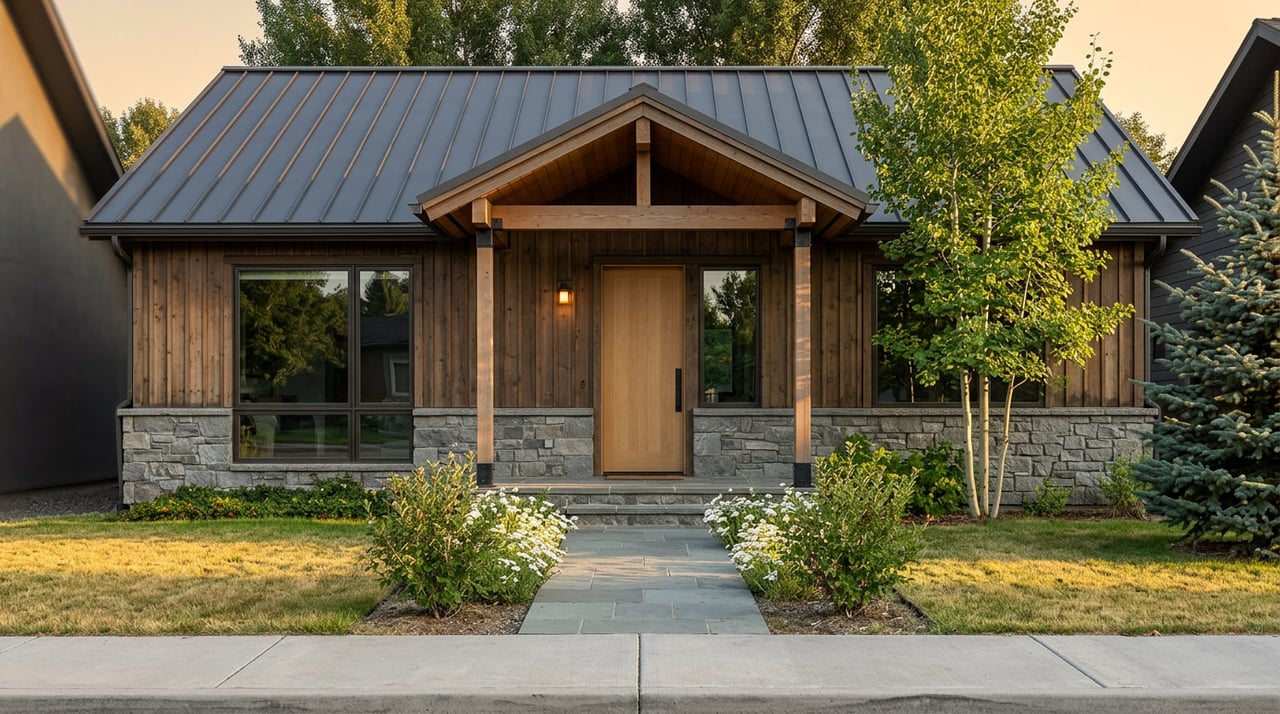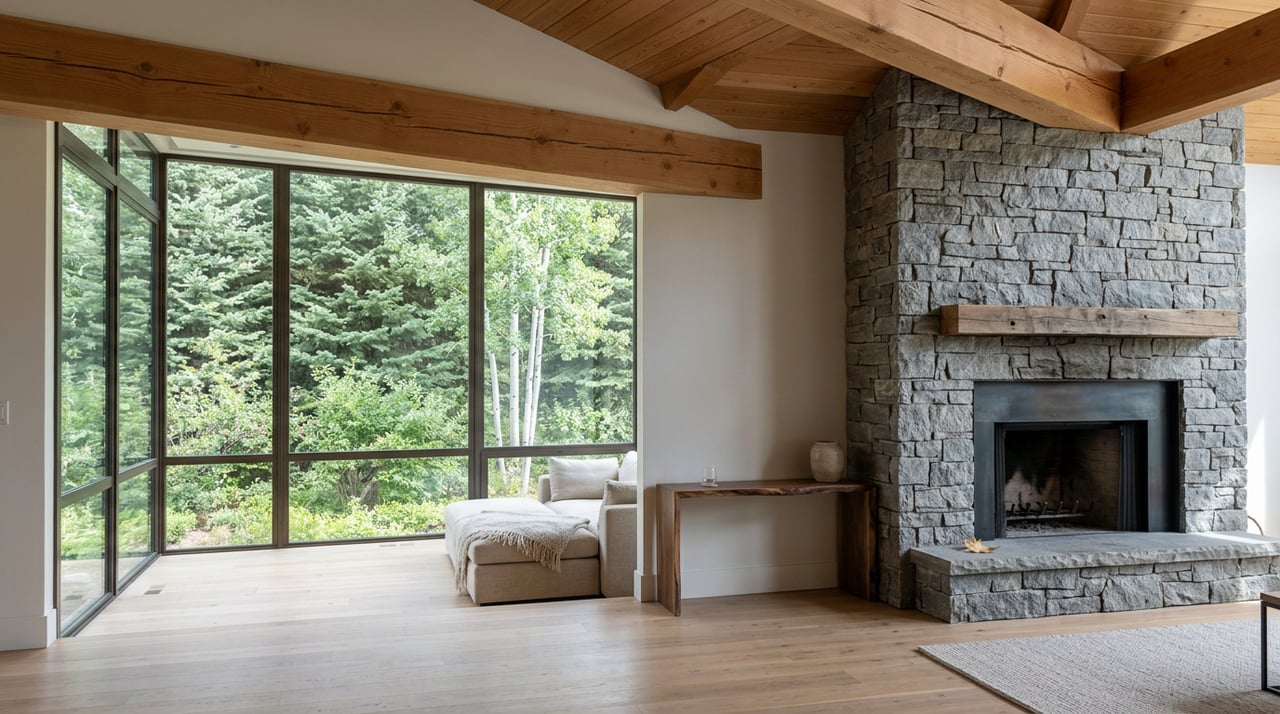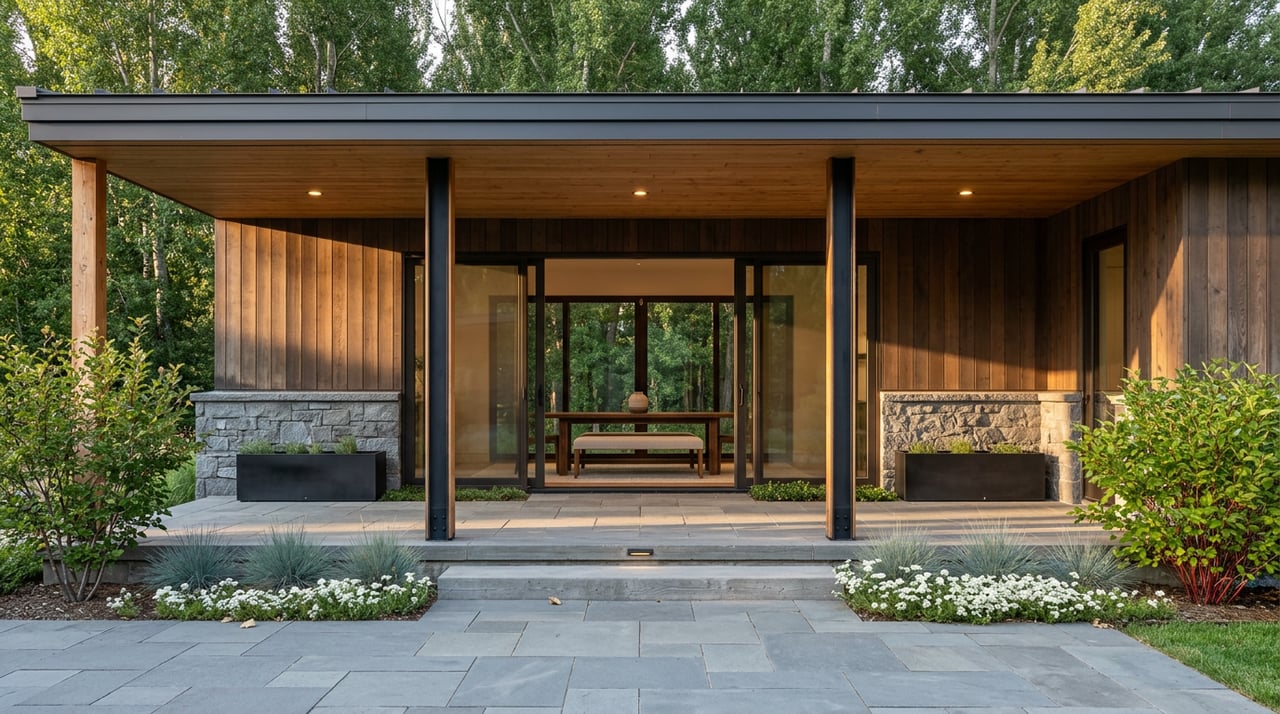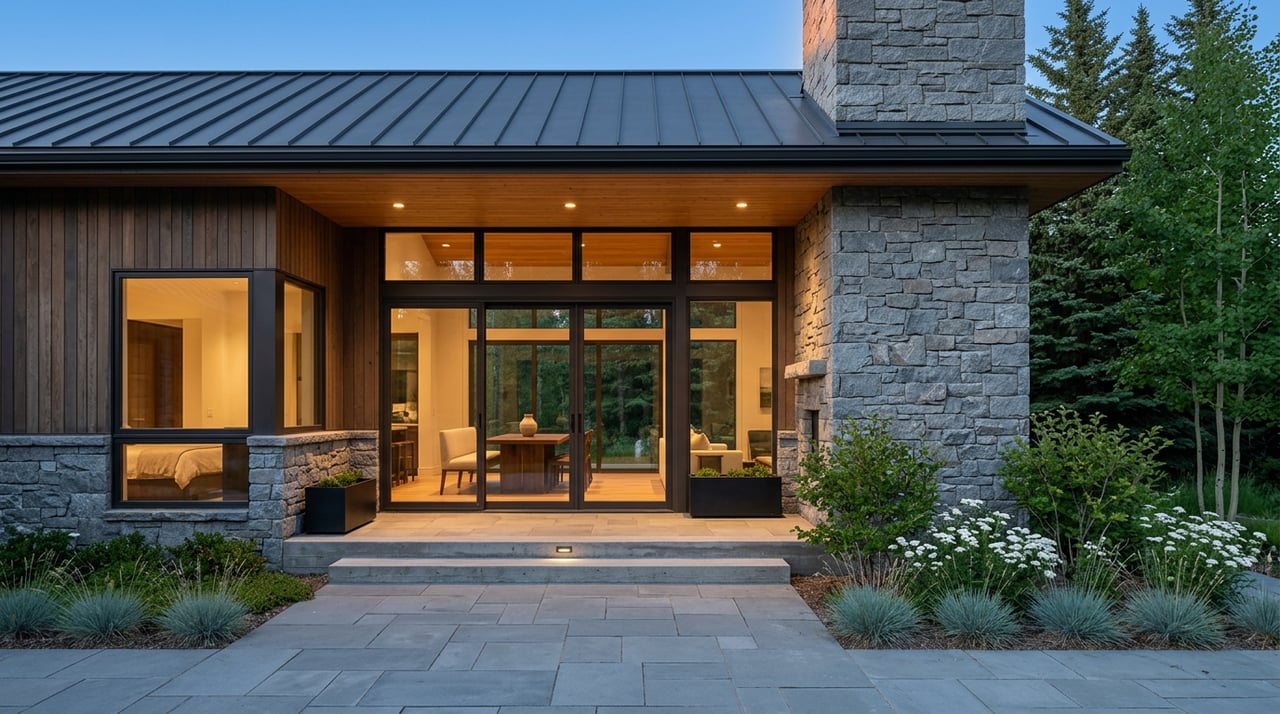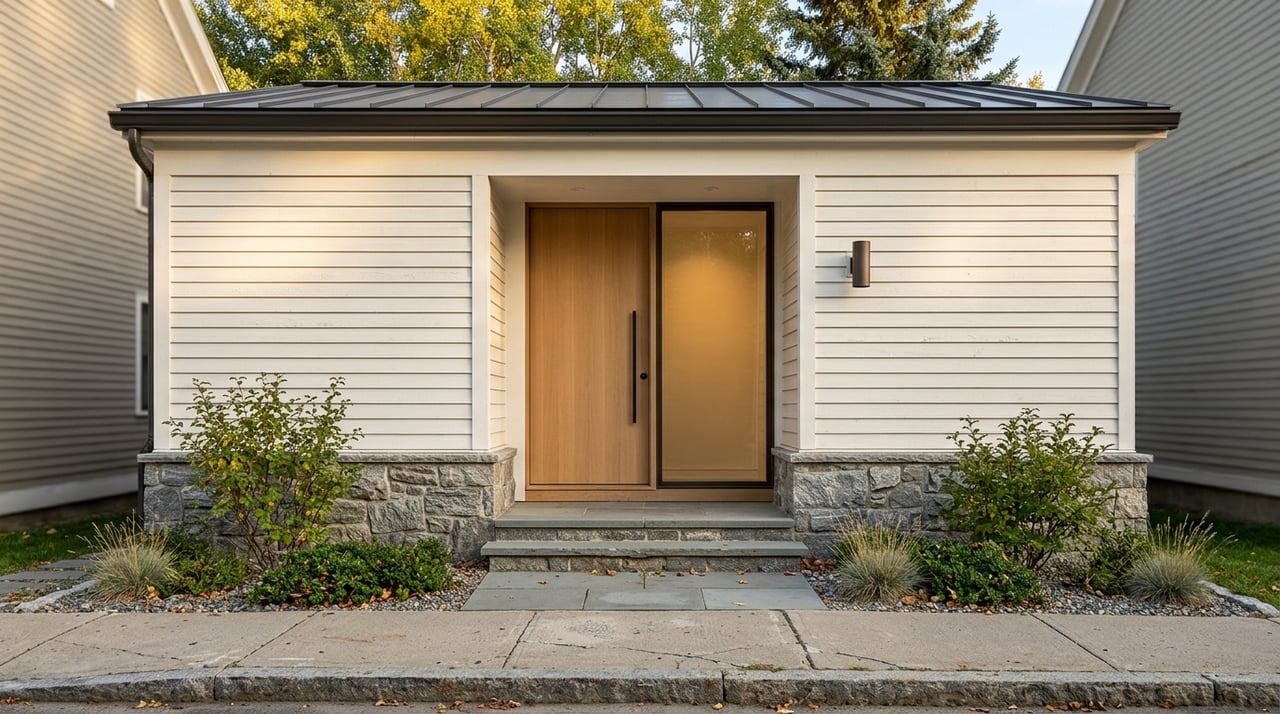
If you are drawn to Aspen for its beauty but want a neighborhood with a deeper sense of place, the West End stands apart. This is where historic homes, leafy streets, and cultural landmarks come together in a way that feels both grounded and current. If you are considering buying or selling here, it helps to understand how the neighborhood balances preservation with modern living. Let’s dive in.
Why Aspen’s West End Feels Different
Aspen’s West End is widely recognized as the city’s historic residential neighborhood. According to the Aspen Historical Society, it is a quiet, tree-lined district bordered by Aspen Meadows, the Aspen Institute, and the Wheeler/Stallard Museum campuses.
That setting matters because the West End is not simply an old neighborhood with a few notable homes. It is tied directly to Aspen’s early growth and civic identity. The Aspen Historical Society notes that Jerome B. Wheeler built a home in the West End in 1888, and the area later included the town’s racetrack and rodeo grounds before evolving into part of Aspen’s cultural-residential core.
For you as a buyer or homeowner, that history creates something hard to replicate. The West End offers a sense of continuity, where the neighborhood still reflects Aspen’s origin story while supporting the way people live today.
Historic Character Shapes Everyday Life
One of the West End’s most appealing qualities is that its history is visible in daily life. The Aspen Historical Society continues to host programming in the neighborhood through the Wheeler/Stallard Museum and West End walking tours, which helps keep local history active and accessible.
That ongoing connection gives the neighborhood an unusually lived-in sense of heritage. You are not looking at a district that feels frozen in time. Instead, you are experiencing a place where architecture, streetscapes, and public life continue to reflect Aspen’s past in a very present way.
The result is a neighborhood rhythm that feels more residential than Aspen’s commercial core. At the same time, it remains closely connected to some of the city’s most important cultural and recreational destinations.
Architecture Blends Old And New
The West End is especially compelling if you appreciate architecture with variety. Aspen Historical Society tours highlight both Victorian and midcentury modern homes, showing that the neighborhood is historically rich without being tied to a single design period.
That mix is one of the area’s defining strengths. On one block, you may see details rooted in Aspen’s 19th-century past. On another, you may notice the cleaner lines and lighter forms associated with midcentury design.
For buyers, this means the West End is not stylistically rigid. It is historically intact, but not stylistically frozen. That creates room for thoughtful updates and a wider range of homes that can suit different tastes while still fitting the neighborhood’s character.
What Preservation Means For Owners
If you are considering a home in the West End, it is important to understand that preservation is part of ownership here. The City of Aspen states that it has formally engaged in preservation since the early 1970s and was one of the first communities in Colorado to do so.
Properties within historic districts are subject to Historic Preservation requirements. The city says exterior work, as well as some interior work, must be reviewed and approved before work begins.
That can include projects such as:
- Painting masonry
- Replacing windows
- Altering structural framing
- Replacing HVAC equipment
- Making penetrations through historic material
The city’s design guidelines also emphasize respect for the historic development pattern and context of the block, neighborhood, or district. In practical terms, that means changes are evaluated not just for the property itself, but for how they relate to the surrounding streetscape.
Modernization Is Possible, But It Must Be Thoughtful
The good news is that the West End is not a neighborhood where modern comfort is off limits. Publicly documented renovation examples show a consistent pattern: owners and design teams modernize homes in ways that preserve historic identity rather than erase it.
One reported example involved an 1887 brick Victorian on East Bleeker. Aspen Sojourner noted that the team used Aspen Historical Society photos to restore the exterior, preserved the original Victorian front and public rooms, and placed the family room, garage, and bedrooms in a rear addition.
Another example, shared by Poss Architecture, involved an 1890 miner’s cabin in the West End. The project went through Historic Preservation Commission approvals and was renovated into a mountain-modern residence while preserving the cottage-like exterior.
A separate feature in Denver Life described a renovation of a 1960s A-frame in Aspen’s historic West End as an exercise in stewardship and longevity. The redesign improved light, circulation, and daily livability while respecting the home’s underlying character.
Rowland+Broughton also documented the renovation of a circa-1956 Pan Abode in the West End after voluntary landmark designation. That project shows that even more modest historic structures can be restored and updated in a way that supports modern use.
Taken together, these examples point to a clear reality. In the West End, successful renovation often means archival research, careful massing, rear or side additions, and interior upgrades that improve comfort without overpowering the original structure.
What Buyers Should Look For In West End Homes
If you are exploring homes in the West End, it helps to think beyond surface finishes. The real value often lies in how well a property balances livability, architectural integrity, and long-term stewardship.
A few useful questions to ask include:
- Is the home located within a historic district?
- Have past renovations already gone through the appropriate review process?
- Does the layout support modern living, or would future changes likely be needed?
- If updates are planned, how might preservation requirements shape timing and scope?
- Does the home’s design respect the surrounding block and neighborhood context?
These questions can help you assess not only the home itself, but also the ownership experience. In a neighborhood like the West End, that broader view matters.
Why Lifestyle Buyers Are Drawn Here
The West End offers more than architecture. It also places you close to some of Aspen’s defining cultural and outdoor amenities.
The Aspen Institute describes its Aspen campus as a cultural landmark shaped by Bauhaus principles. The Aspen Music Festival and School places the Michael Klein Music Tent and Harris Concert Hall on the Meadows Campus, while opera performances take place at the historic Wheeler Opera House.
The City of Aspen also manages more than 25 miles of multi-use trails across the Aspen Snowmass and down valley system. In the West End itself, the Aspen Historical Society’s walking tours unfold along trails, sidewalks, lawns, and street sides, reinforcing the neighborhood’s pedestrian-friendly setting.
For many buyers, that combination is the draw. You can enjoy a quieter residential setting while staying closely connected to walking, biking, culture, and civic life.
What Sellers Should Understand About Positioning
If you are preparing to sell a home in the West End, your property story matters. Buyers are not only evaluating square footage or finishes. They are also responding to provenance, architectural character, and how a home fits into the neighborhood’s larger narrative.
That means effective marketing should highlight the right details with care. Depending on the property, that may include architectural lineage, preservation work, relationship to the block, and the way modern updates have been integrated into the home.
In a neighborhood where thoughtful stewardship carries weight, presentation should feel precise and well-informed. Sellers who understand that often position their homes more effectively for discerning buyers who value both lifestyle and legacy.
West End Living Is About Stewardship
At its best, living in Aspen’s West End is not just about owning a beautiful property. It is about participating in a neighborhood where history, design, and everyday life still speak to one another.
That is what makes the area so compelling. You can find homes with real architectural depth, proximity to Aspen’s cultural institutions, and renovation paths that support modern comfort, as long as they are approached thoughtfully.
If you are considering a purchase, sale, or long-range investment in the West End, local insight matters. For tailored guidance on Aspen’s most distinctive residential opportunities, connect with Tara Cathcart & Susan Lodge.
FAQs
What makes Aspen’s West End historically significant?
- The Aspen Historical Society identifies the West End as Aspen’s historic residential neighborhood, with roots in the city’s boom years and ongoing ties to local history through museum programming and walking tours.
What architectural styles are common in Aspen’s West End?
- Aspen Historical Society tours highlight both Victorian and midcentury modern homes, reflecting a neighborhood that is historically rich but not limited to one design era.
Do Aspen West End homes have preservation rules?
- Yes. The City of Aspen says properties within historic districts are subject to Historic Preservation requirements, and certain exterior and interior changes must be reviewed and approved before work begins.
Can you renovate a historic home in Aspen’s West End?
- Yes, but renovations are typically expected to be thoughtful and context-sensitive. Publicly documented projects in the West End show that modern updates are often achieved while preserving historic form and character.
What is daily life like in Aspen’s West End?
- The neighborhood offers a quieter residential setting with close access to cultural landmarks, walking routes, and Aspen’s broader multi-use trail system.
What should buyers consider when purchasing in Aspen’s West End?
- Buyers should understand whether a property is within a historic district, what approvals past work required, and how preservation review may affect any future renovation plans.