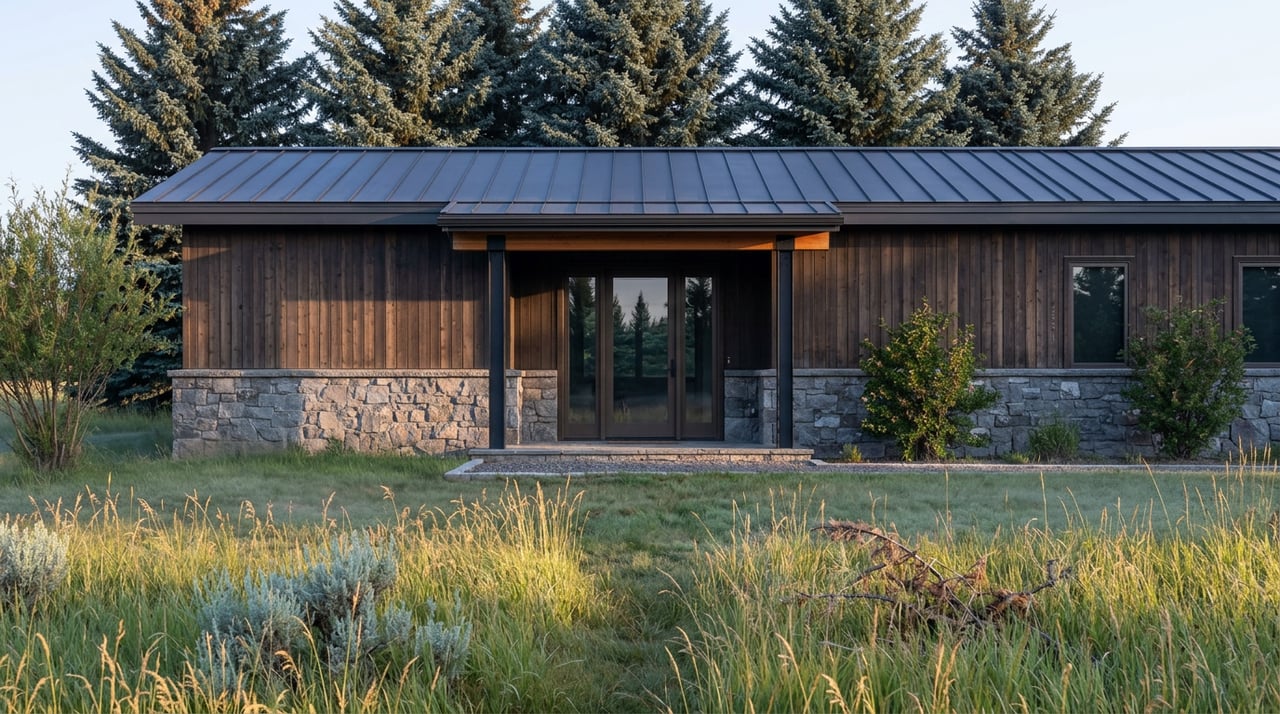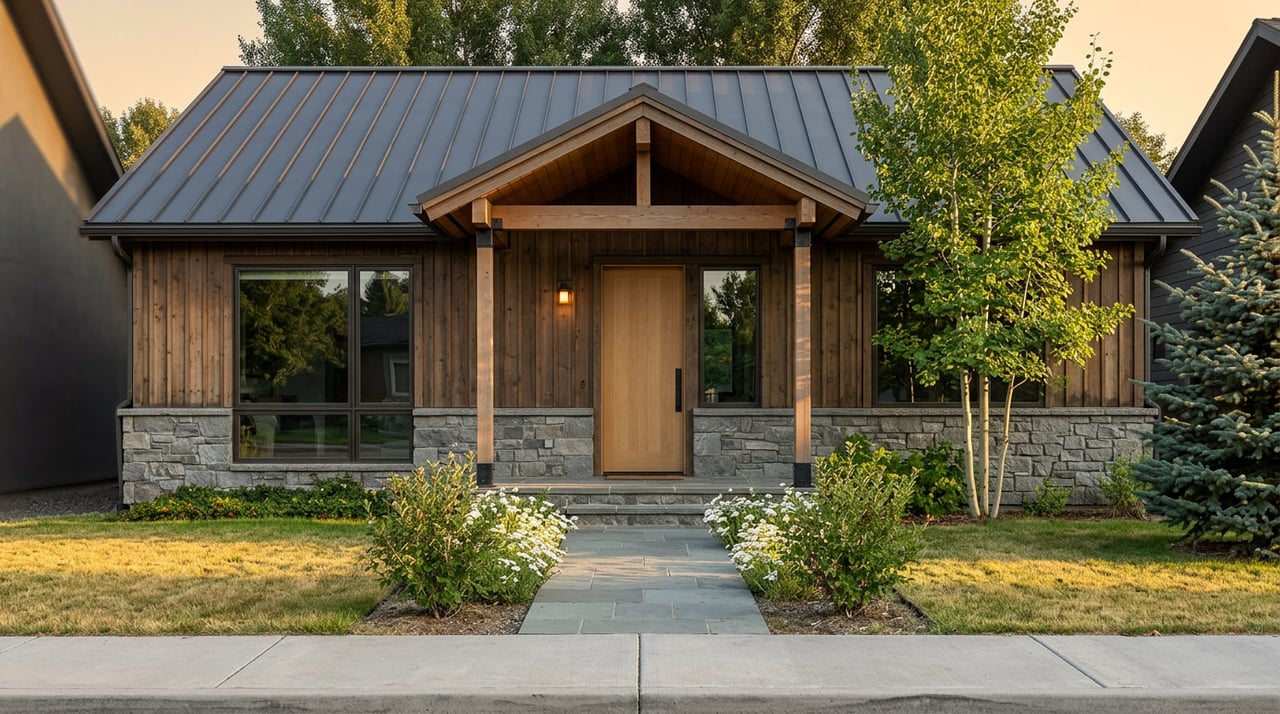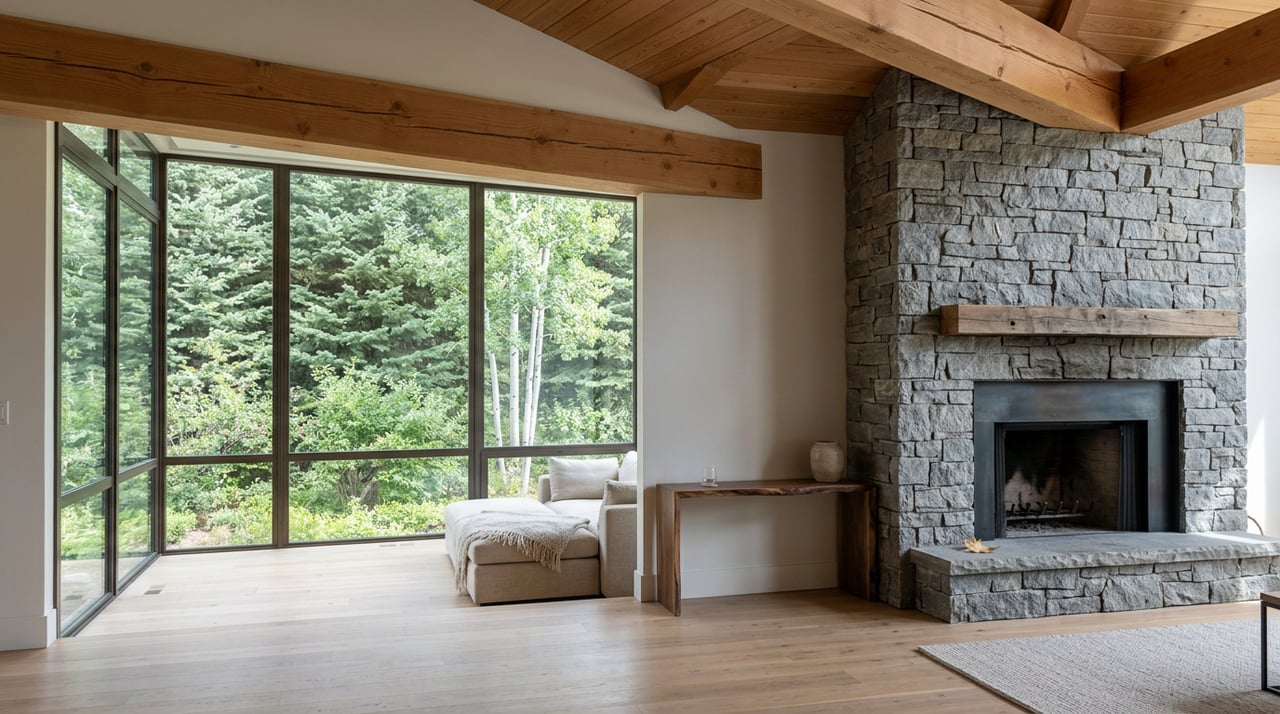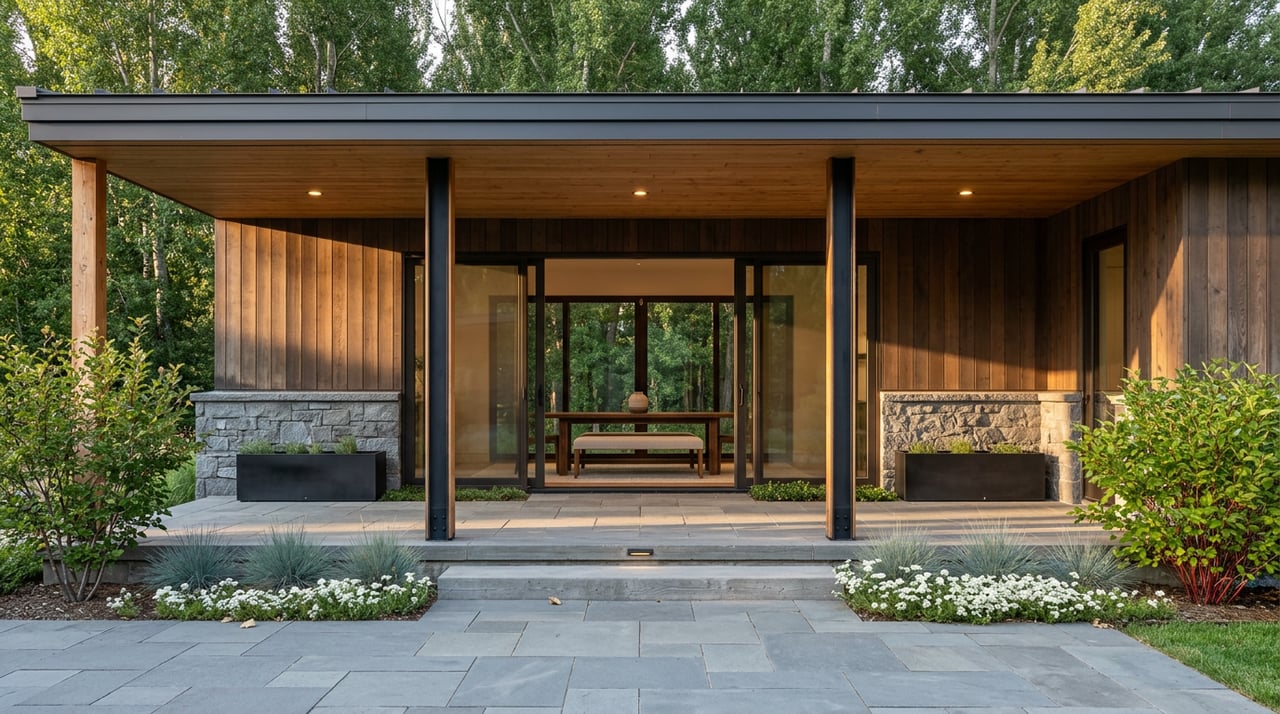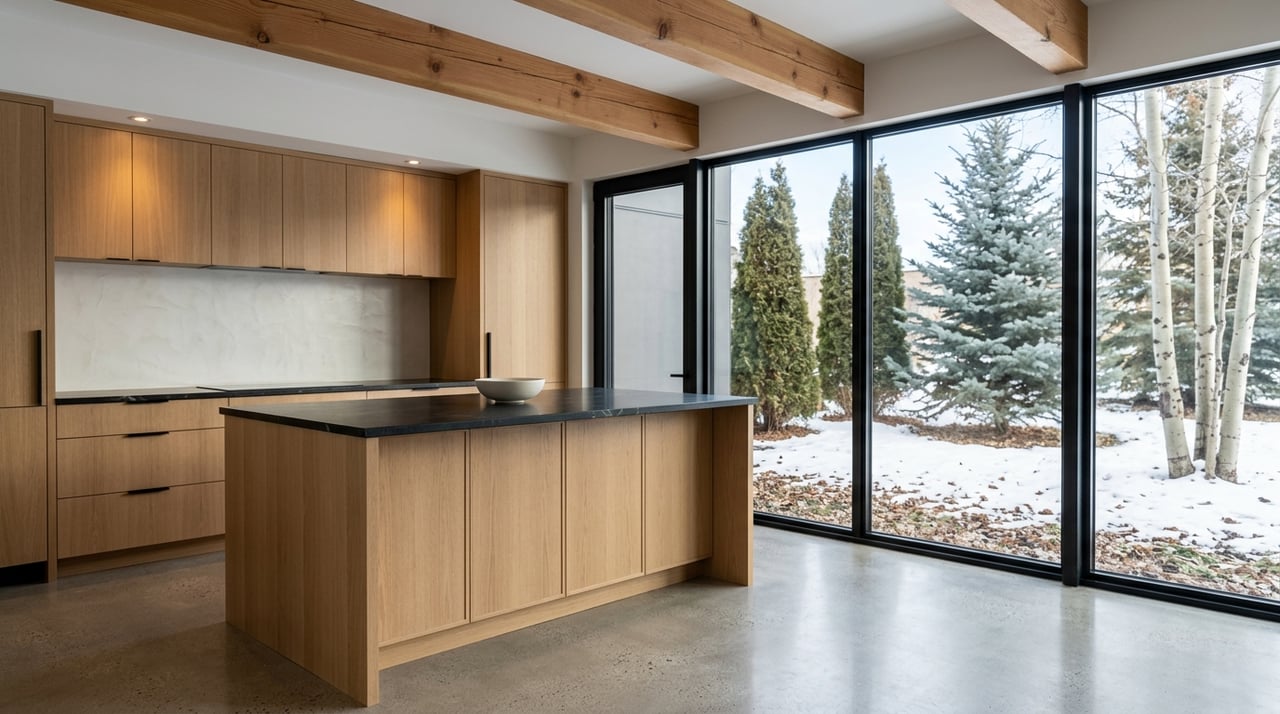
What matters more in Aspen’s luxury market: a home that is fully aligned with today’s building standards, or one with a sense of place that cannot be replicated? If you are weighing new construction against a legacy home, you are not just comparing finishes or floor plans. You are choosing between two very different ownership experiences in one of the country’s most regulated and supply-constrained real estate environments. This guide will help you think through how each option fits your lifestyle, timeline, and long-term goals in Aspen. Let’s dive in.
Why the decision feels different in Aspen
Aspen is not a market where new construction is simple or abundant. The city has a small year-round population of about 6,000 residents, and the surrounding landscape is defined by public lands and limited room to expand. That scarcity shapes value across both newly built homes and legacy properties.
The approval environment matters too. Aspen’s development process is intentionally review-heavy, and most exterior work requires design review. If you are comparing properties here, it helps to understand that the appeal of a finished home often includes the time and complexity already invested to create or improve it.
What new construction offers
For many luxury buyers, new construction is appealing because it can reduce near-term friction. In Aspen, recently built or heavily redeveloped homes are generally shaped by current code requirements, which means they are often closer to today’s performance expectations.
Aspen adopted the 2021 I-Codes and local energy amendments in 2023, and it adopted the 2024 Colorado Wildfire Resiliency Code with local amendments effective April 23, 2026. For one- and two-family dwellings and townhouses, Aspen’s energy code requires EV-capable or EV-ready parking, solar-ready interconnection, and energy-storage-ready space.
Modern systems and readiness
If you prefer a turnkey property, these features can be meaningful. A newer home may offer systems and infrastructure that align more closely with current expectations for energy use, vehicle charging, and future adaptability.
That does not guarantee zero updates, of course. Still, the local code structure suggests that recently completed homes may require fewer immediate code-driven upgrades than older properties.
Redevelopment standards shape the result
Aspen’s Residential Demolition and Redevelopment Standards also influence what new or substantially redeveloped homes look like behind the walls. The standards call for reduced fossil-fuel reliance, fully electric heating and cooling, onsite energy production, and at least 35% waste diversion by weight for demolition projects that trigger the rule.
For you as a buyer, that can translate into a home designed with current operational priorities in mind. In practical terms, new construction often appeals to buyers who want convenience, modern systems, and less appetite for near-term projects.
What legacy homes offer
Legacy homes in Aspen speak to a different kind of value. They often carry architectural individuality, established setting, and a connection to the town’s earlier development patterns that newer properties may not reproduce in the same way.
Aspen has treated preservation as a core local value since the early 1970s. The Historic Preservation Commission reviews development, demolition, relocation, and variations for designated historic properties and properties in historic districts, and the city notes that commission agendas are typically full for months.
Character that comes from the site
Aspen’s Historic Preservation Design Guidelines describe the original townsite as a grid with alleys and historic irrigation ditches, while later subdivisions are more curvilinear and irregular. That context helps explain why many legacy homes feel deeply tied to their lot, block, and street pattern.
If you are drawn to authenticity, that can be a major part of the appeal. A legacy property may offer architectural detail, lot position, and neighborhood context that feel less interchangeable than many newly built homes.
Renovation can be possible, but not simple
Owning a legacy home does not mean it must remain unchanged. However, major changes can involve more review, more time, and more careful planning.
Aspen’s demolition and redevelopment standards apply when demolition is triggered. Historically designated landmarks can receive exemptions only when compliance is not practical, typically with alternative measures such as improved thermal envelopes or renewable-energy offsets.
That means an older home can absolutely be improved, but the path may be more nuanced. If you value the chance to personalize a property, you will want to weigh that opportunity against the review process and timing.
How policy affects older housing stock
Even if a legacy property is not historically designated, the broader direction of local policy still matters. Aspen’s Building IQ program says buildings account for 57% of community greenhouse-gas emissions and uses benchmarking plus building performance standards for certain covered properties.
The program is aimed at existing buildings generally, and it signals continued pressure toward efficiency over time. For a buyer, that is less about alarm and more about planning. Older homes may offer extraordinary character, but you should also think about how future performance expectations could shape ownership decisions.
Neighborhood context can tip the balance
In Aspen, your decision is rarely just about the house itself. Neighborhood access, circulation, and daily convenience can have a major impact on how a property lives.
Aspen’s free shuttle network serves the West End and Ute Avenue neighborhoods, Hunter Creek, Cemetery Lane, and Castle/Maroon routes that connect to Aspen Highlands Village. City transportation planning also references West End, East of Aspen, Original Street, Red Mountain, Mill Street, Garmisch Street, and Cemetery Lane in traffic analysis.
Daily access matters
If you plan to use the home seasonally, host guests often, or move around town without wanting every errand to become a driving exercise, location details matter. Shuttle access, traffic flow, and street-by-street circulation may affect your experience as much as the home’s square footage.
Aspen’s transportation study also notes West End neighborhood cut-through traffic and mixed commuter and visitor pressure around Maroon Creek and Castle Creek access. In other words, the right property on paper may feel different once you factor in how you actually enter, exit, and move through the area.
When buyers widen the search
Some buyers begin in Aspen and then expand into the broader Roaring Fork Valley. The City of Aspen lists nearby communities and typical drive times of about 15 minutes to Snowmass Village and Woody Creek, about 20 minutes to Old Snowmass, about 25 minutes to Basalt, about 30 minutes to Willits and El Jebel, and about 35 to 45 minutes to Carbondale.
For some buyers, that broader search opens the door to different lot sizes, home styles, or development contexts. If your priorities lean toward newer product or a different ownership equation, those nearby communities may become part of the conversation.
Resale is really about fit
In Aspen, resale is not just about whether a home is new or old. The more important variables are usually location quality, neighborhood character, approval complexity, and how much work a future owner will want to take on.
New construction often markets itself around turnkey ease, modern systems, and lower near-term renovation friction. Legacy homes tend to stand out for irreplaceable lot position, architectural authenticity, and historic context.
Ask the right question
The most useful framing is not whether new construction is better than a legacy home in the abstract. It is whether the property matches your time horizon, your tolerance for construction or review complexity, and your preference for authenticity versus performance.
That is especially true in Aspen, where scarcity supports long-term desirability across both categories. Because developable land is limited and approvals are not automatic, each type of property can hold strong appeal for different reasons.
How to choose with clarity
If you are deciding between these two paths, start with your lifestyle before you focus on finishes. The right answer often becomes clearer when you define how you want to use the home and how involved you want to be after closing.
Here are a few helpful questions to ask yourself:
- Do you want a turnkey home with fewer near-term projects?
- Do you value architectural history and site-specific character more than modern systems?
- Are you comfortable with a review-heavy environment if you plan to renovate?
- How important are shuttle access, traffic patterns, and neighborhood circulation to your day-to-day use?
- Are you only considering Aspen, or would nearby valley communities also suit your goals?
A polished new home and a beautifully situated legacy property can both be excellent Aspen assets. The better choice is the one that fits your lifestyle, ownership preferences, and long-term vision with the least compromise.
If you are evaluating Aspen, Snowmass Village, Old Snowmass, Basalt, or Carbondale, a tailored, discreet strategy can make the search far more efficient. For a confidential conversation about how new construction or legacy inventory aligns with your goals, connect with Tara Cathcart & Susan Lodge.
FAQs
What is the main difference between new construction and legacy homes in Aspen?
- New construction often appeals for modern systems, current-code alignment, and turnkey convenience, while legacy homes often stand out for architectural character, site-specific setting, and historic context.
How do Aspen building codes affect new homes?
- Aspen’s current codes and local amendments shape newer homes with features such as EV-capable or EV-ready parking, solar-ready interconnection, and energy-storage-ready space for certain residential properties.
What should you know about renovating a legacy home in Aspen?
- Major changes may involve review by the Historic Preservation Commission for designated historic properties or properties in historic districts, and review timing can matter because agendas are often full for months.
Why does neighborhood access matter when buying in Aspen?
- Shuttle routes, traffic flow, and street-by-street circulation vary by area, so daily convenience can affect your ownership experience as much as the home itself.
Should you look outside Aspen for newer luxury homes?
- Some buyers expand into nearby communities such as Snowmass Village, Woody Creek, Old Snowmass, Basalt, Willits, El Jebel, or Carbondale to explore different commute times, settings, and housing options.