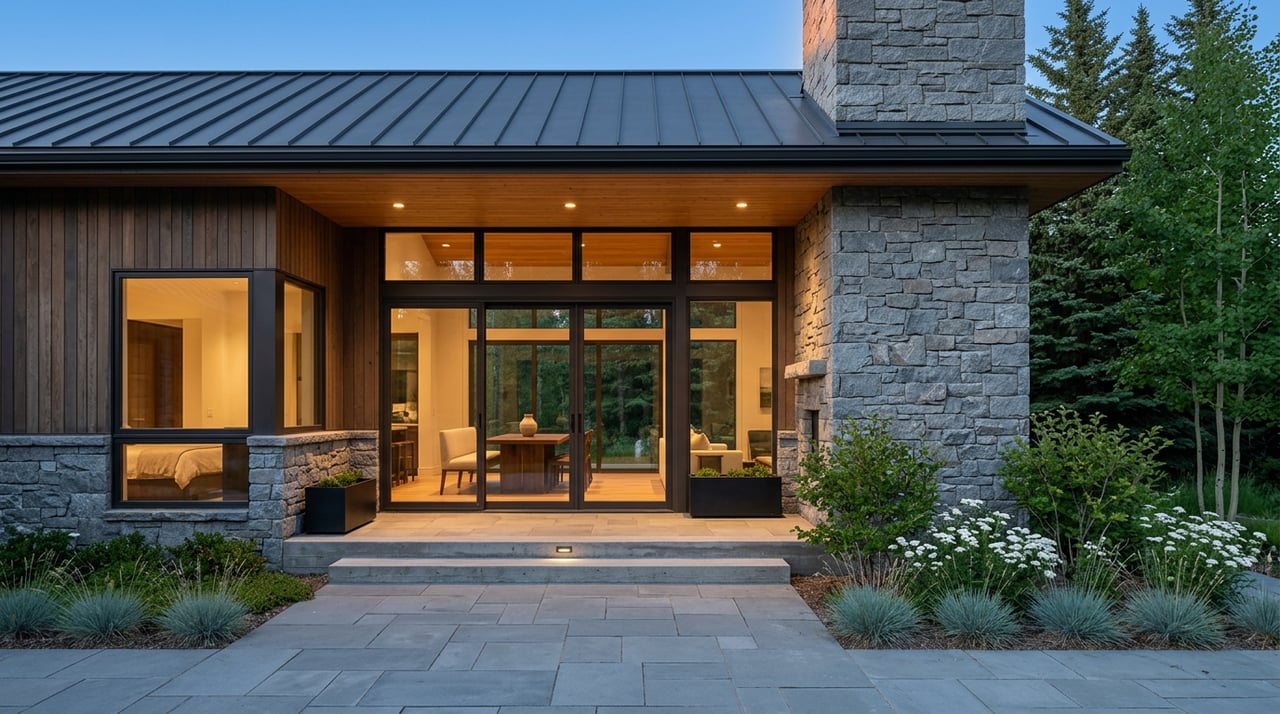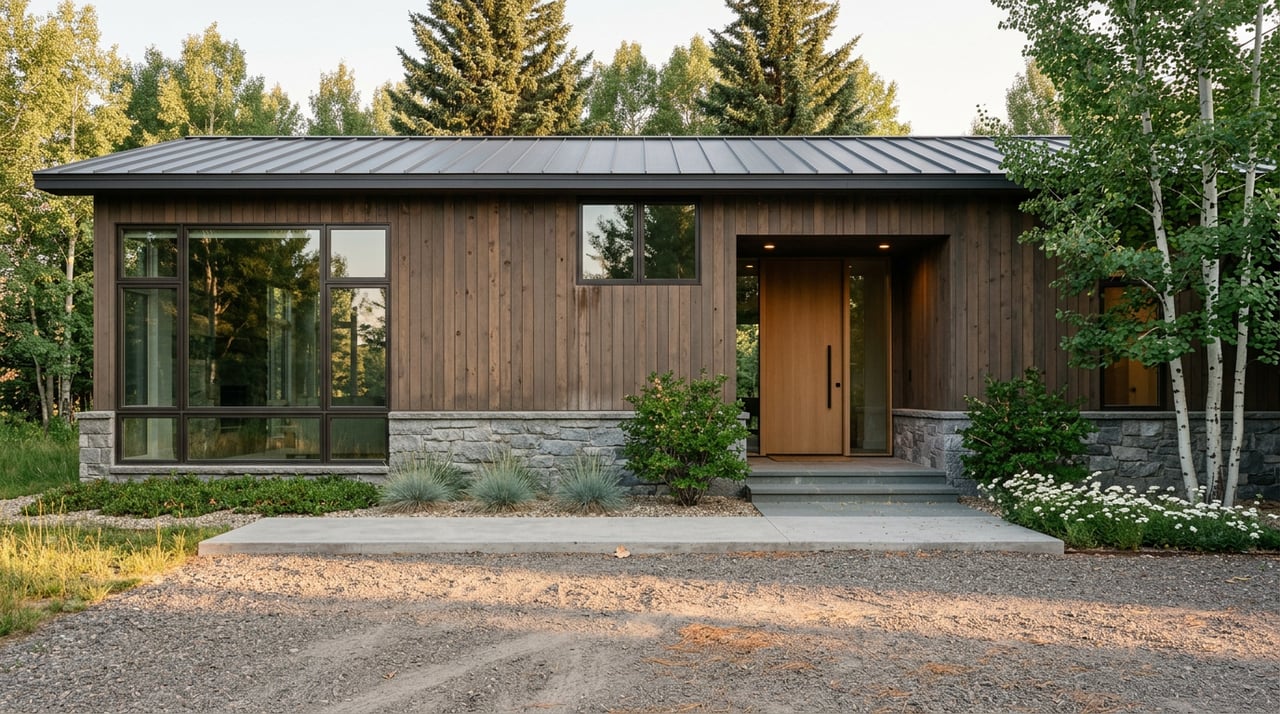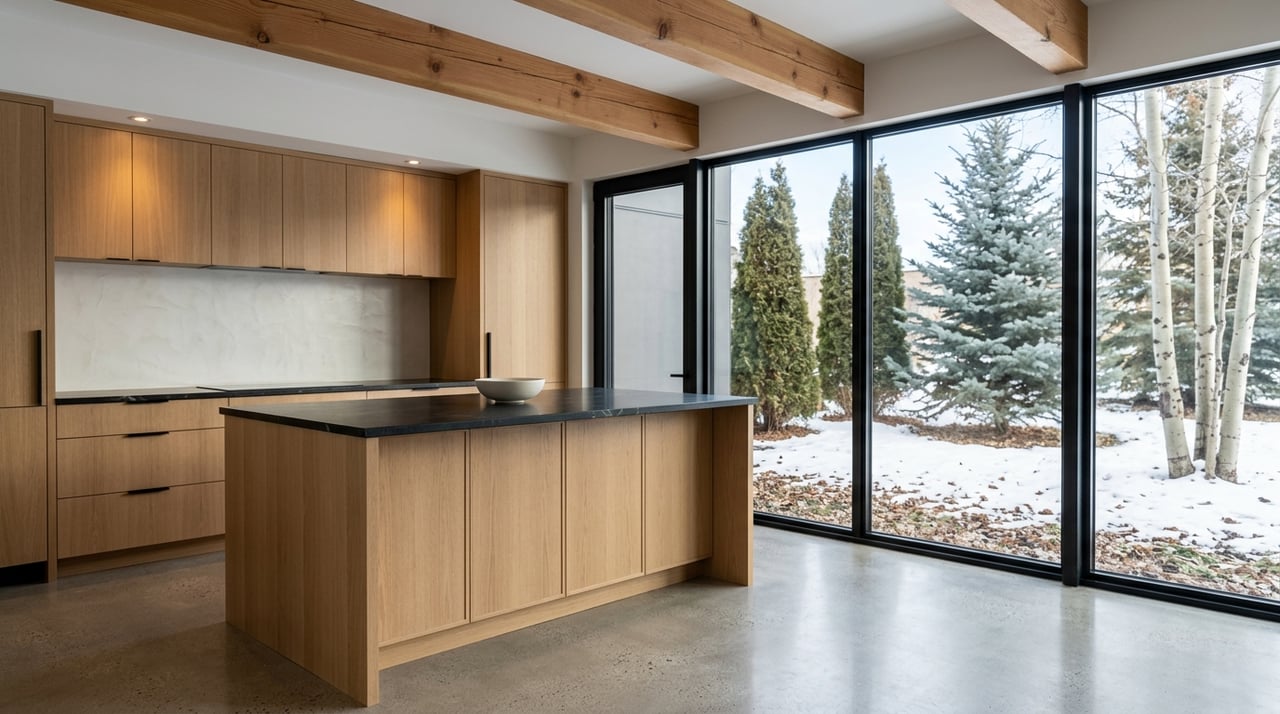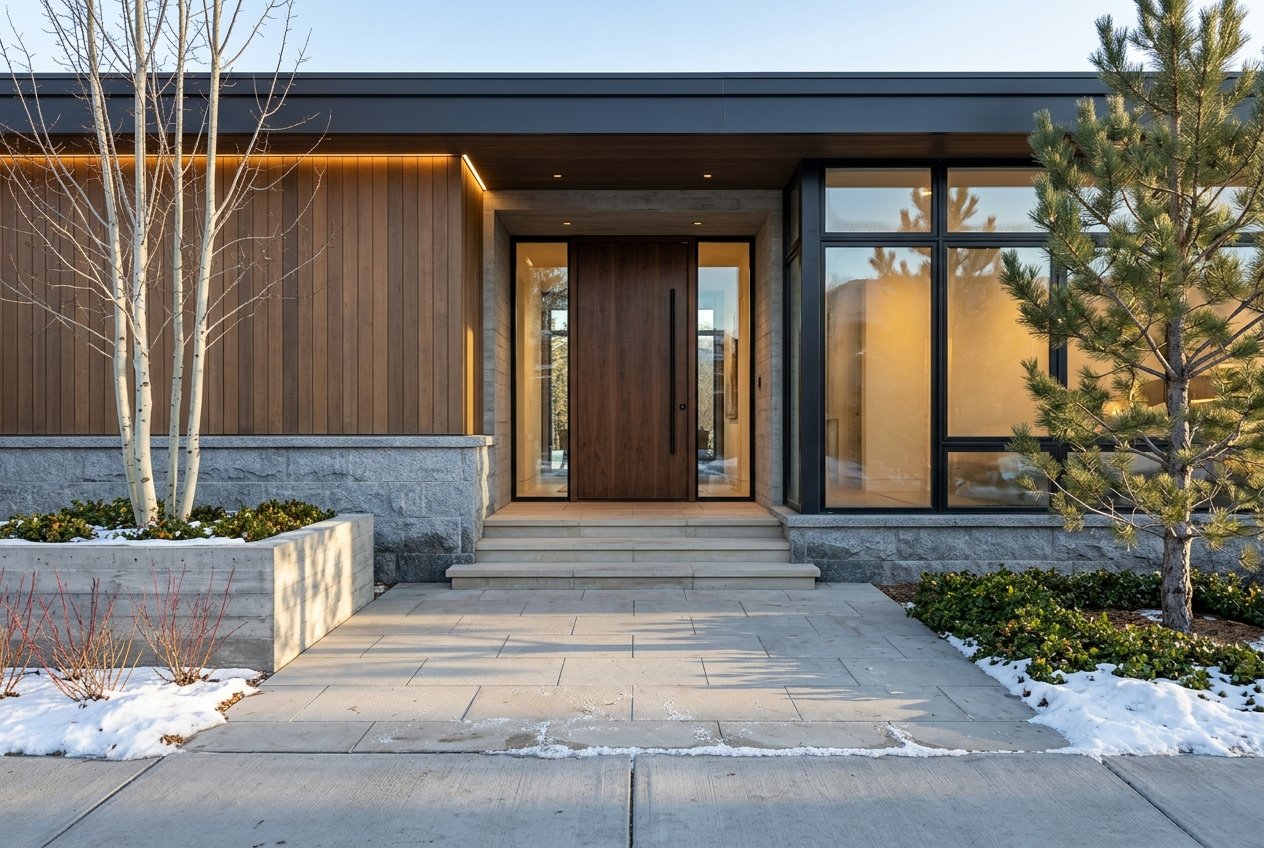
What looks like a simple Red Mountain question can become a complex planning decision very quickly. If you are weighing whether to remodel an older home or start over with a rebuild, you are not just comparing design ideas or construction budgets. You are also evaluating jurisdiction, zoning, view protections, historic review, and newer resilience standards that can shape what is realistically possible on a given parcel. The good news is that a clear framework can help you make that decision with more confidence. Let’s dive in.
Why Red Mountain Decisions Are Different
Red Mountain sits within Aspen’s planning context, but it is also one of the unincorporated Pitkin County areas inside the Aspen Urban Growth Boundary. In practical terms, that means you should confirm parcel-by-parcel jurisdiction before assuming City of Aspen rules apply.
That distinction matters early because the remodel-versus-rebuild decision is especially sensitive on hillside properties where views, siting, and massing are central to value. Aspen’s broader community goals place strong emphasis on maintaining mountain views, protecting historic heritage, and limiting energy and building-material consumption.
Start With the Legal Envelope
Before you fall in love with a design direction, it helps to define the property’s legal envelope. On Red Mountain, the best first questions are often the most basic ones.
Confirm Jurisdiction First
Your first step is to verify whether the parcel is inside city limits or in unincorporated county land. Red Mountain properties can sit within Aspen’s planning framework without being governed exactly the same way on every issue.
Because of that, it is wise to confirm jurisdiction before making assumptions about review paths, design standards, or demolition rules. A project that looks straightforward on paper can change significantly once the governing authority is clear.
Check Zoning and Net Lot Area
If the parcel falls under City of Aspen review, the city’s Planning and Zoning map is the fastest way to verify city limits, zoning identification, historic designation boundaries, the Mountain View Plane layer, and other environmentally sensitive areas. Aspen also advises starting with a survey because residential allowable floor area is calculated from net lot area.
That means the home’s future size is not just a design preference. It is tied directly to the lot’s legal calculations, setbacks, and height limits within its zone district.
Review Sensitive Site Layers
On Red Mountain, topography and view corridors can have an outsized impact on what can be approved. A parcel in the Mountain View Plane or another sensitive area may face tighter constraints on massing, height, or visible changes.
For buyers and sellers alike, this is one of the most important early filters. It often determines whether a compact remodel is the smarter route or whether a larger redesign will require a more ambitious approval strategy.
When a Remodel Makes More Sense
In many Red Mountain cases, a remodel is the more elegant solution. That is especially true when the existing house already sits well on the lot and captures the strongest view corridors without needing major changes in massing.
A thoughtful remodel can also align more closely with Aspen’s policy goals. Preserving and upgrading an existing structure may better support priorities around mountain views, historic character, and reducing energy and material consumption.
The Existing Siting Already Works
If the home already has the right orientation to light, views, and privacy, keeping that framework can be a major advantage. On steep or view-rich sites, it is not always easy to improve on an established footprint without triggering more review or creating new design conflicts.
In these situations, remodeling can let you refine the home without disturbing what the parcel already does well. That can be especially valuable when the lot itself is one of the property’s strongest assets.
The Home Has Architectural Character
Older Red Mountain homes can carry value beyond square footage alone. Aspen has engaged in preservation since the early 1970s and identifies more than 300 historic resources, which means some homes may sit within a broader preservation context rather than a simple zoning exercise.
That is particularly relevant for modern and mid-century houses. AspenModern was created as a voluntary path to encourage stewardship of modern and mid-century buildings tied to the early ski era, and the city’s preservation materials also frame retention of existing structures as an energy-saving alternative to demolition and new construction.
A Smaller Scope May Simplify Review
Some remodels can be more manageable from an approval standpoint. Aspen has a Residential Design Standards exemption form for certain remodels whose exterior alterations are not addressed by the standards, although that exemption depends on the exact scope and can disappear if the project expands.
There can also be practical benefits in avoiding larger project triggers. For example, Water Efficient Landscaping review is triggered when disturbance exceeds 1,000 square feet and more than 25% of the lot, when affected area exceeds 10,000 square feet, or when internal work demolishes more than 50% of the existing structure.
When a Rebuild Becomes the Better Path
Sometimes the existing house simply cannot solve the right problems efficiently. If circulation is awkward, the garage dominates the arrival, the entry sequence feels unresolved, or the window orientation and massing work against the site, a rebuild or major addition may become the cleaner long-term answer.
On Red Mountain, this is less about novelty and more about fit. A rebuild earns its place when it solves issues the current structure cannot realistically solve without becoming functionally new anyway.
The House Fights the Site
Aspen’s Residential Design Standards review exterior residential projects before building permit submittal unless an exemption applies. The checklist covers items such as building mass articulation, orientation, one-story elements, garage access and placement, entry connection, principal windows, window placement, and materials.
If the existing house conflicts with several of those relationships at once, patching it together through a remodel may be less efficient than planning comprehensively. In that case, a major addition or rebuild can offer a more coherent design response.
Wildfire Resilience Favors a Fresh Start
Aspen City Council adopted the Colorado Wildfire Resiliency Code on March 25, 2026, and it applies to building permits submitted after April 23, 2026. The code adds requirements for roofs, eaves, gutters, exterior walls, projections, glazing, doors, vents, and defensible space.
For some owners, that shifts the analysis. A rebuild can integrate those requirements from the beginning rather than trying to retrofit them around an older building envelope.
Larger Projects Need More Planning
A rebuild also brings more layers of review and construction management. Aspen’s 2025 construction-and-demolition ordinance requires projects with a construction mitigation disturbance area greater than 2,000 square feet to divert at least 50% of debris by weight.
The city’s building-permit checklist also treats new construction, addition/remodel, interior-only work, and complete demolition as different submittal paths with different required documents. In other words, a rebuild can absolutely be the right answer, but it usually works best when you enter the process with realistic expectations about scope and timing.
Historic Status Can Change Everything
If a property is individually designated or lies within one of Aspen’s historic districts, the decision tree changes quickly. Even some interior work can require Historic Preservation review before construction starts.
The city specifically notes that work such as window replacement, structural framing changes, HVAC equipment replacement, and penetrations through historic material need review. It also notes that Historic Preservation Commission agendas are often booked months in advance, which can affect project timing.
Red Mountain Has Real Historic Examples
This is not just a theoretical issue. Aspen’s Inventory of Historic Sites and Structures includes 120 Red Mountain Road as a designated landmark, and Aspen’s Historic Preservation Design Guidelines use that 1962 Modern Chalet Style home as an example of a Red Mountain-era form.
The example highlights design traits such as a gable end oriented to the street and or mountain view, with larger window walls oriented toward Aspen Mountain. For owners of similar homes, architectural form may be part of the property’s value, not simply an obstacle to redevelopment.
Teardowns Face Tighter Limits
If the property is historic, the teardown analysis becomes more restrictive. Aspen’s 2019 historic-preservation benefit update removed Growth Management exemptions for historic properties and capped demolition of the interior floor area of a historic resource at 50%.
That can make a preservation-forward remodel or adaptive reuse more realistic than a near-total teardown. For legacy homes with architectural significance, the smartest value strategy is often one that works with the structure instead of against it.
A Practical Red Mountain Decision Framework
If you are evaluating a Red Mountain property as a buyer, seller, or owner, it helps to narrow the decision with a few grounded questions.
Ask These Questions Early
- Is the parcel inside City of Aspen limits or in unincorporated Pitkin County?
- What is the zone district, and what is the verified net lot area?
- Is the property within the Mountain View Plane or another sensitive layer?
- Is the home designated historic or potentially subject to preservation review?
- Can the existing structure be improved without major massing changes?
- Would a larger project trigger added review tied to demolition, landscape disturbance, or resilience standards?
These questions help reveal whether a remodel can stay efficient and targeted, or whether a rebuild is the cleaner legal and design solution.
Value Is About More Than Square Footage
On Red Mountain, the most defensible strategy is usually the one that protects the parcel’s strongest asset, which is often the view. In Aspen’s policy framework, a good remodel protects character and reduces waste, while a good rebuild justifies its footprint by solving problems the existing house cannot solve.
That is why this decision deserves careful due diligence before you commit to a path. For the right property, the best answer is not always bigger. It is the approach that preserves value, respects the site, and fits within the governing rules from the start.
If you are weighing a Red Mountain purchase, preparing a legacy property for sale, or trying to understand what is realistically achievable before you invest in plans, a discreet, informed conversation can save time and protect long-term value. Tara Cathcart & Susan Lodge offer boutique guidance shaped by local market knowledge, strategic positioning, and concierge-level service.
FAQs
What should you verify first for a Red Mountain remodel or rebuild?
- You should first confirm whether the parcel is inside City of Aspen limits or in unincorporated Pitkin County, then verify zoning, net lot area, and any sensitive site layers.
When is remodeling a Red Mountain home usually the better option?
- Remodeling is often the better path when the existing home already sits well on the lot, preserves key view corridors, and can be upgraded without major massing changes.
When does rebuilding a Red Mountain home make more sense?
- Rebuilding can make more sense when the existing house cannot efficiently solve circulation, garage placement, entry sequence, window orientation, or massing under applicable design rules.
Can historic review affect a Red Mountain home project?
- Yes. If a property is designated historic or falls within an Aspen historic district, even some interior work may require Historic Preservation review before construction begins.
Do larger Red Mountain projects trigger extra review?
- Yes. Depending on the scope, larger projects can trigger added review related to Residential Design Standards, water-efficient landscaping, demolition waste diversion, and wildfire resilience requirements.