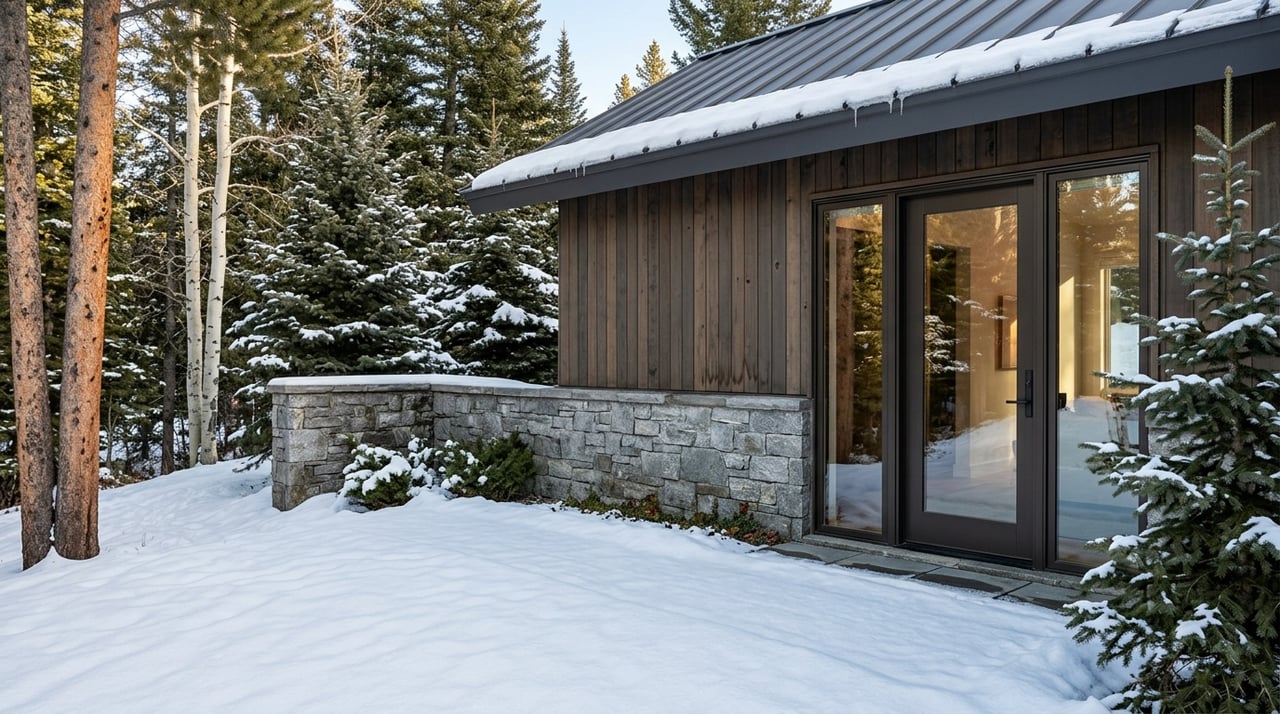
Wondering whether a ski-in/ski-out home in Snowmass Village is truly worth it? If you are buying a mountain home here, that question matters more than the label itself. In Snowmass, “ski-in/ski-out” can mean very different things depending on the property, so the smartest move is to look beyond marketing language and focus on how you actually want to live, ski, and use the home year-round. Let’s dive in.
What ski-in/ski-out means in Snowmass
In Snowmass Village, ski-in/ski-out is best understood as a spectrum, not a simple yes-or-no category. The resort’s own guidance notes that a property may be directly on or next to the slopes, yet the experience can still involve a short walk or a less seamless route.
That distinction matters when you are comparing homes at very different price points and in different settings. Two properties may both be described as ski-in/ski-out, but one may let you step out almost directly onto snow while another may require a short transition with gear.
For buyers, the key is to define what easy access means for your household. If you ski often, travel with children, or want quick breaks at home during the day, a few extra minutes can change the experience in a meaningful way.
Three ski access types to compare
A practical way to evaluate Snowmass properties is to sort them into three access bands. This can help you compare convenience, privacy, and day-to-day function more clearly.
True slopeside residences
These are the homes and residences that offer the closest connection to the mountain. Snowmass identifies several top ski-in/ski-out stays, including The Viewline, The Crestwood Condominiums, The Timberline, and Electric Pass Lodge.
For example, Crestwood is at Snowmass Base Village and offers ski-in/ski-out access to Village Chairlift. The Snowmass Gondola Ticket Office is about three minutes away, and Four Mountain Sports in Base Village is about two minutes away.
If your priority is maximizing ski time and minimizing friction, this category is often the strongest fit. It tends to appeal to frequent skiers, second-home buyers who want a polished arrival experience, and households that value convenience over a more removed setting.
Lift-adjacent condos
The next category includes residences that are not always directly on the slope but are very close to the mountain. Top of the Village, for instance, is steps from Snowmass Mountain and about an eight-minute walk from Snowmass Sports.
For many buyers, this is the sweet spot. You still get strong mountain access, but you may also gain easier walkability to services and a slightly different ownership experience than a pure slopeside location.
This category can work especially well if you want a lock-and-leave property with amenities and a relatively simple winter routine. It can also be a practical option if you want excellent access without paying the highest premium attached to the most direct slopeside positions.
Shuttle-connected homes
Snowmass also offers homes where skiing is paired with the free local shuttle rather than immediate lift access. The Village Shuttle is free, and the town says the shuttle and RFTA move about 1 million rides through the Snowmass Mall each year.
Timberline offers a good example of this middle-ground lifestyle. It sits near the top of Carriage Way, allows ski-back access via Dawdler Run, and uses the free shuttle for groceries and for walking to Snowmass Mall.
This option can suit buyers who want a more residential feel or greater privacy while still staying connected to the mountain ecosystem. That said, some shuttle stops along Wood Road, Faraway Road, and Meadow Road are by-request only, so address-level verification is important before you assume the route will feel effortless.
The convenience premium
The biggest reason buyers pursue ski-in/ski-out property is simple: convenience. Snowmass notes the upsides clearly, including less transit, more ski time, easier breaks during the day, and less hauling of boots, skis, and winter layers.
That convenience tends to shape the entire ownership experience. If you can get out the door quickly, return home for lunch, or regroup easily after a ski lesson, the home often feels more useful and more enjoyable.
For families and frequent visitors, that ease can justify a meaningful premium. For more occasional skiers, the premium may be harder to defend if a nearby lift-adjacent or shuttle-connected home serves the same lifestyle goals.
The trade-offs to weigh carefully
Ski access is valuable, but it should not be the only factor guiding your purchase. Snowmass also points to the typical downsides of ski-in/ski-out ownership, including higher cost, limited inventory, and the reality that some properties are less seamless than their description suggests.
In practice, this means you should compare access against privacy, floor plan, storage, views, ownership costs, and how you plan to use the home in other seasons. A great ski address does not automatically mean the property is the best overall fit.
This is especially true in Snowmass, where year-round use can materially affect value to the owner. A home that works beautifully in both January and July may deliver more satisfaction than one chosen only for winter positioning.
Why amenities matter in slope-adjacent ownership
In Snowmass, many slope-adjacent residences come with a more managed ownership experience. Properties such as Crestwood and Top of the Village advertise amenities like hot tubs, pools, shuttle service, ski storage, and fireplace-style comforts.
For many buyers, these features are not extras. They are part of what makes a mountain home easier to own, enjoy, and share with guests.
At the same time, convenience at the building level often comes with building-level rules and costs. The exact carrying cost depends on the property and should be confirmed through the HOA budget and governing documents during due diligence.
Think beyond ski season
Snowmass is not only a winter destination. The resort is active year-round, with hiking, biking, snowshoeing, and tubing, and Snowmass Mountain alone offers more than 3,300 acres of skiable terrain and 98 trails in winter.
In warmer months, Aspen Snowmass says riders can access trails directly from Snowmass Base Village, with more than 50 miles of trails in the area. Family-friendly options include the Rio Grande Trail and lift-served access to the Snowmass Bike Park via Elk Camp Gondola.
If you are buying a second home, this matters. A residence that is well-positioned for both ski season and summer recreation may deliver stronger lifestyle value across the calendar, not just during peak winter weeks.
Rental plans require local verification
If short-term rental income is part of your strategy, do not make assumptions. Snowmass Village defines a short-term rental as fewer than 30 consecutive days and requires both a business license and a permit.
The town’s updated regulations, effective December 30, 2025, state that permits expire on April 30 each year, increase the permit fee to $400 effective January 1, 2026, and add trespassing as a major violation. Before you buy, verify whether the specific property is eligible for your intended rental use.
This step is especially important in a resort market, where rental rules can materially affect projected returns and ownership flexibility. A home that looks ideal on paper may not align with your rental goals once local rules and building policies are reviewed closely.
Model taxes and carrying costs case by case
Ownership costs in Pitkin County should be evaluated carefully rather than estimated broadly. The county says property taxes are calculated from assessed value and the mill levy, with valuation set by the Assessor and tax notices sent in mid-January each year.
That means your actual annual cost picture depends on the specific property, not just the purchase price. In a market where homes can differ widely in form, location, and ownership structure, precise review matters.
For condo and residence buyers, this should sit alongside HOA dues, maintenance expectations, amenity costs, and any rental compliance expenses. A thoughtful cost model helps you compare options with much more clarity.
Build your due diligence around the way you live
In Colorado, the Department of Regulatory Agencies advises buyers and sellers to verify that real estate and mortgage professionals are licensed. It also notes that purchase offers must be in writing and, when broker-prepared, use Real Estate Commission-approved forms unless drawn by a party or attorney.
In a market like Snowmass, this supports a careful, team-based approach. If you are comparing ski access, HOA structure, rental rules, and long-term ownership plans, clear professional guidance can help you move with confidence.
The most successful purchases here usually begin with honest priorities. How often will you ski? Do you want walk-out convenience, or would you rather have a more private residential setting? Does the property need to support short-term rental income, or is this purely a lifestyle purchase?
Choosing the right Snowmass fit
There is no single best version of ski-in/ski-out living in Snowmass Village. The right choice depends on how you define convenience, how often you will be here, and whether your home needs to work as a private retreat, an income-producing asset, or both.
True slopeside residences often make the most sense for frequent skiers and buyers who want the easiest possible mountain routine. Lift-adjacent condos can offer an appealing balance of access and amenities. Shuttle-connected homes may suit buyers who want a quieter residential feel without losing connection to the resort.
The goal is not to chase a label. It is to choose a property whose access, setting, ownership structure, and year-round utility truly fit your life in Snowmass.
If you are weighing ski access, rental flexibility, or the nuances between Base Village, slopeside, and more residential positions, a tailored strategy makes all the difference. Tara Cathcart & Susan Lodge offer discreet, high-touch guidance for buyers seeking the right Snowmass property with clarity and confidence.
FAQs
What does ski-in/ski-out mean in Snowmass Village real estate?
- In Snowmass Village, ski-in/ski-out can vary by property. Some residences are directly on or next to the slopes, while others may still require a short walk or less seamless route.
What are the main types of ski-access homes in Snowmass?
- A practical way to compare options is to group them into true slopeside residences, lift-adjacent condos, and shuttle-connected homes.
Are shuttle-connected homes in Snowmass convenient for skiing?
- They can be, especially with Snowmass Village’s free shuttle system, but convenience depends on the exact address and route since some stops are by-request only.
Do Snowmass ski condos usually have amenities?
- Many slope-adjacent residences advertise amenities such as pools, hot tubs, shuttle service, ski storage, and fireplace-style comforts, though features vary by property.
Can you short-term rent a home in Snowmass Village?
- Short-term rentals in Snowmass Village are defined as stays of fewer than 30 consecutive days and require both a business license and a permit, so buyers should verify eligibility before purchase.
How are property taxes calculated in Pitkin County?
- Pitkin County calculates property taxes based on assessed value and the mill levy, with valuation set by the Assessor.
Is Snowmass only a winter destination for second-home buyers?
- No. Snowmass is active year-round, with hiking, biking, snowshoeing, tubing, and access to more than 50 miles of trails in the area.