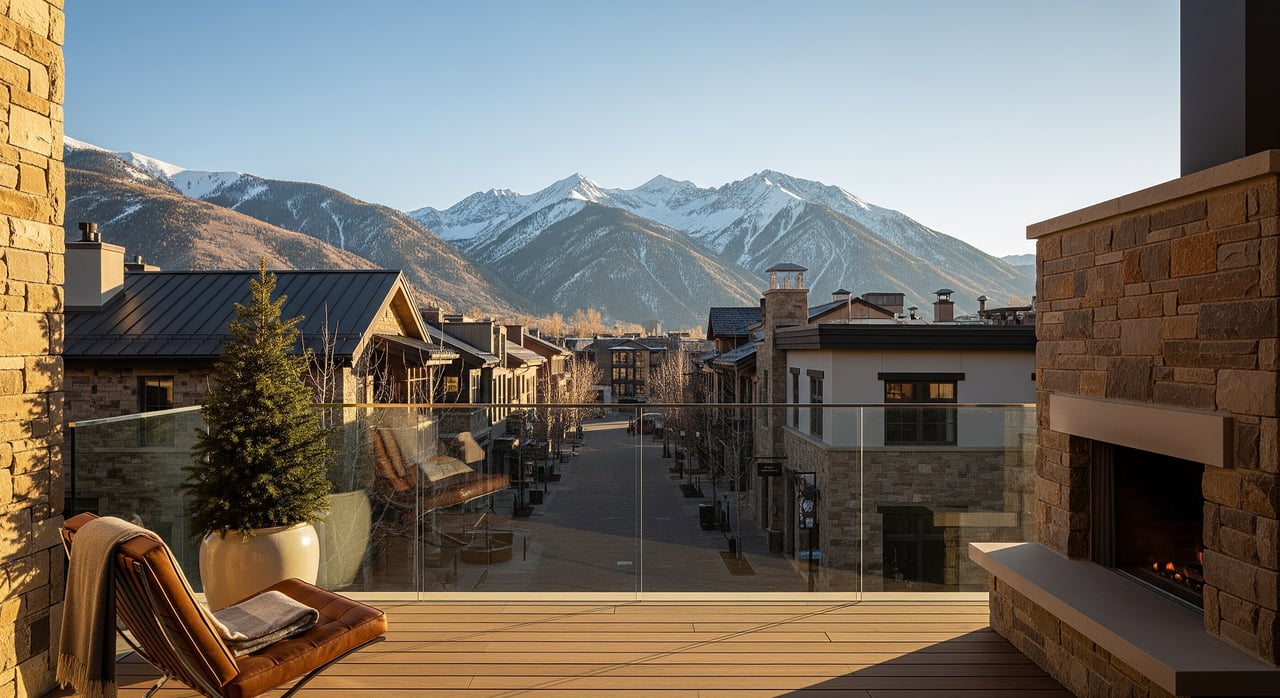
You feel the difference the moment you step out your door and stroll to the Silver Queen Gondola in a few easy minutes. That simple walk changes how you live, ski, dine, and entertain in Aspen. It also changes what your condo is worth and how it performs as a rental. In this guide, you will learn how walkability in Aspen Core shapes value, the tradeoffs to weigh, and the practical steps to judge a specific building or unit. Let’s dive in.
What walkability means in Aspen Core
Walkability in Aspen Core is more than a short distance on a map. It is the full experience of moving through town with ease, in every season.
- Destination proximity: quick walks to the Silver Queen Gondola, restaurants, bars, galleries, the Wheeler Opera House, the Aspen Art Museum, ski retail, and grocery.
- Pedestrian quality: continuous sidewalks, safe crosswalks, winter snow and ice clearing, good lighting, and enough width for ski gear or strollers.
- Direct routes: fewer street crossings, gentle grades, and minimal detours around blocks.
- Transit access: nearby RFTA and local shuttle stops that reduce the need for a car and connect you to Highlands, Buttermilk, and Snowmass.
- Building features: ground‑floor retail that activates the street, elevators, indoor ski/bike storage, concierge access, and parking options.
- Seasonal readiness: how quickly sidewalks are cleared after storms and whether entries and ramps are heated or sheltered.
You can also use indices like Walk Score and on‑the‑ground timing for exact minutes to key destinations. Short‑term rental performance data can help you understand the value of location for occupancy and nightly rates.
Why walkability lifts condo prices
Strong walkability often leads to higher resale value in the Core. Buyers pay for convenience and the ability to enjoy Aspen without a car, especially for vacation use.
Demand and liquidity
Condos near the gondola and dining corridors attract a wider pool of buyers, from local to international. That broader demand can shorten days on market. In a luxury market where lifestyle drives decisions, micro‑location often becomes the tiebreaker.
Use case premium and comps
When your daily routine includes walking to ski, dinner, art openings, or live music at Belly Up, the property’s utility grows. Appraisers and brokers regularly adjust comparable sales for proximity to lifts and downtown amenities. In the Core, those adjustments can be material because small location differences change how you use the home.
Micro factors that move price
Two units a block apart can trade differently. Factors that influence value include the directness of the route to the gondola, elevator access in the building, ski storage, and the block’s noise profile. Street orientation and view corridors also matter. South or west exposures can enhance light and mountain outlooks, which may push pricing higher.
Short‑term rental performance in walkable locations
If rentals are part of your plan, location is a prime driver of results. Guests choose Aspen Core to be steps from the action, especially during peak ski weeks and major events.
Occupancy and nightly rates
Units within easy walking distance of the gondola and downtown often secure higher occupancy and average nightly rates. Guests like to skip rental cars, walk to dinner, and shuttle to other mountains. This convenience supports stronger reviews and repeat bookings.
Events and seasonality
Event calendars and ski season timing shape demand. Walkable condos tend to capture premium stays during high‑profile weeks tied to culture, food, and thought leadership. When venues like the Wheeler Opera House or the Aspen Art Museum host events, guests value being able to stroll there within minutes.
Rules and permitting
Local regulations and HOA policies can change the math. City licensing, building‑level rental rules, and HOA covenants may limit or shape short‑term rental use. Always verify current City of Aspen and Pitkin County requirements and your building’s rules before projecting income.
Aspen Core micro‑locations to know
Aspen Core is compact but varied block by block. A few minutes on foot can shift your experience and price point.
Immediate Core
These are the blocks closest to the Silver Queen Gondola and the primary dining and shopping streets. You get the highest convenience and energy. Expect strong buyer demand and rental interest, with careful attention to noise, delivery routes, and late‑night activity.
Near‑Core
One to three blocks from the main corridors, you often find a modest step down in price per square foot. Many buyers prefer this zone for a little more space or a calmer street while staying within a short walk of lifts and dining.
Fringe Core
At the outer edge, some blocks feel more residential and may offer better parking or storage. You trade a slightly longer walk for privacy and, in some cases, larger floor plans or different view angles.
Tradeoffs to weigh in a walkable purchase
No location is perfect for every lifestyle. Consider these practical tradeoffs as you compare units.
Noise and nightlife
Being near popular venues can add energy but also evening and late‑night sound. If you live year‑round or prefer quiet, weigh the building’s orientation, insulation, and floor level. Visit at different times of day to judge the true sound profile.
Parking and gear logistics
Some Core buildings have limited or no assigned parking. If you own a car or host larger groups, this matters. Indoor ski storage, lockers, and elevators can offset the need for a car by making daily routines easier.
Views and privacy
A unit on a quieter block or higher floor with strong mountain views may command equal or higher total prices even if it is farther from the gondola. Decide how you value views and privacy relative to a shorter walk.
HOA fees and amenities
Concierge services, staffed entries, and premium amenities add convenience but also increase monthly dues. Balance the benefits against ongoing costs, especially if you plan to hold long term.
Buyer playbook: how to evaluate a specific unit
Use a simple, on‑the‑ground checklist to confirm the walkability you are paying for.
- Time your walk to the Silver Queen Gondola and note route quality and crossings.
- Map 3‑ to 5‑minute routes to dining, grocery, and ski retail.
- Confirm walking time to cultural anchors like the Wheeler Opera House and the Aspen Art Museum.
- Identify the closest RFTA or local shuttle stop and the route to Highlands, Buttermilk, and Snowmass.
- Test the evening soundscape from the unit and common areas.
- Review building features: elevator access, ski/bike storage, boot dryers, and loading zones for easy arrivals.
- Verify parking: number of assigned spaces, guest parking rules, and garage heating.
- Check HOA fees, rental policies, and any special assessments.
- Confirm local rental licensing requirements with the city and county before modeling income.
- Compare recent sales on the same block and adjacent blocks, adjusting for floor level, views, parking, and storage.
Seller strategy: position your condo around walkability
If you own a Core condo, you can showcase the lifestyle benefits of your address with clarity and precision.
- Lead with exact walking times to the gondola, key restaurants, and cultural venues. Minutes matter.
- Spell out daily ease: elevator access, ski storage, boot room, and how quickly sidewalks are cleared in winter.
- Highlight quiet orientations, view corridors, and upgraded windows if your block is lively at night.
- Present transit convenience: the nearest shuttle stop and simple access to other mountains.
- Use editorial‑grade media to show what the walk looks and feels like, not just the unit. A short route video can be powerful.
- Prepare documentation on HOA rules, rental licensing status, and any recent building improvements that support year‑round convenience.
Aspen Lodge Properties pairs publication‑quality storytelling with deep local knowledge to surface these micro‑location advantages. That combination helps buyers see the daily lifestyle and helps sellers position for maximum exposure and price discovery.
The bottom line
In Aspen Core, walkability is a decisive value driver for both buyers and sellers. Being steps from the gondola, dining, and culture can elevate resale pricing, shorten market time, and boost rental performance. The right micro‑location also comes with tradeoffs in noise, parking, and dues, which you should weigh with clear, on‑the‑ground checks. When you understand the routes, the rules, and the rhythm of the block, you make a confident decision that fits your life.
Ready to discuss your goals and your block? Connect with the boutique team at Tara Cathcart & Susan Lodge for a confidential, focused plan tailored to Aspen Core.
FAQs
What does “walkability” include in Aspen Core?
- It covers short walking times to the gondola and venues, safe and cleared sidewalks, direct routes, nearby transit, and building features like elevators and ski storage.
How does walkability affect resale value for condos?
- Walkable condos attract more buyers, can trade faster, and often justify price adjustments in comps because daily convenience increases perceived value.
Do walkable condos earn more as short‑term rentals?
- Often yes; proximity to lifts and dining supports higher occupancy and nightly rates, especially in peak ski weeks and during major cultural events.
What downsides should I consider with a highly walkable address?
- Potential nightlife noise, limited parking, higher HOA dues for concierge services, and tradeoffs with views or privacy on busier streets.
How can I compare two Aspen Core condos a block apart?
- Time the actual walk to the gondola, check route quality, test the noise at night, confirm parking and storage, and adjust comps for floor level, views, and amenities.
What should sellers highlight to showcase walkability?
- Exact minutes to the gondola and key venues, elevator and storage details, winter maintenance, transit access, and any features that reduce friction for daily life or guest stays.