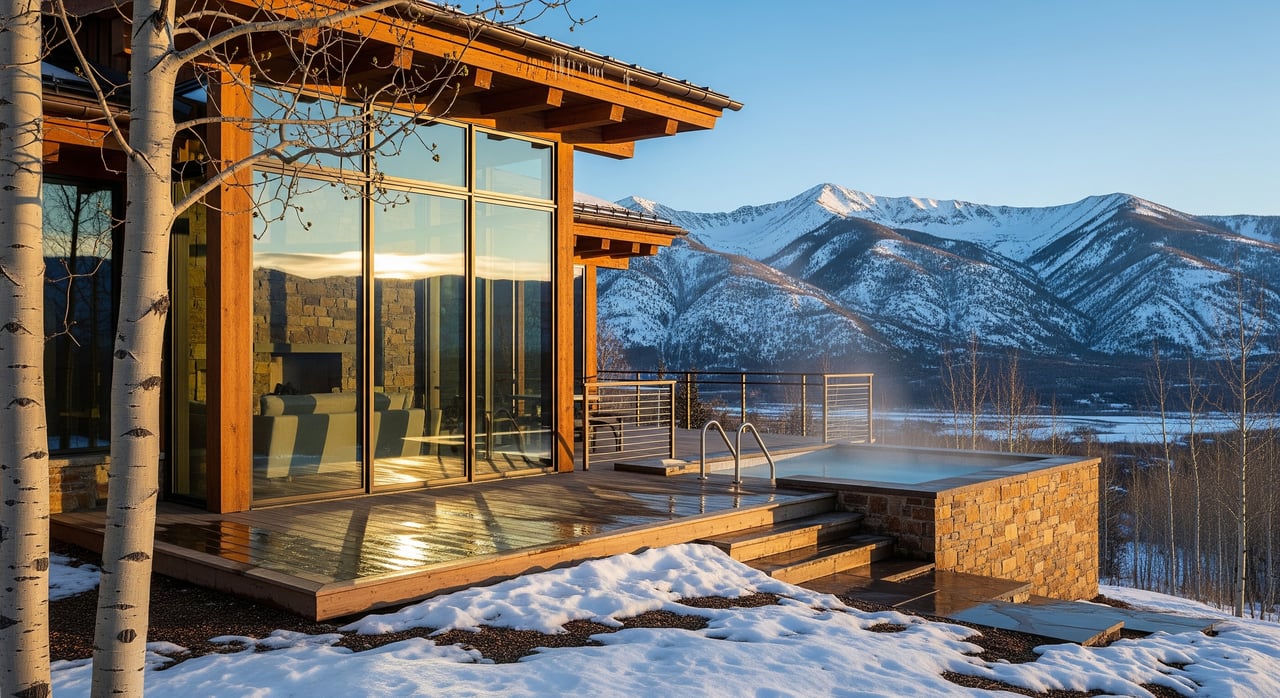
Trying to time a buy or sale in Aspen or Snowmass? The valley runs on two powerful seasons, and those rhythms shape inventory, pricing, and how fast you can move. If you plan around them, you can maximize exposure, negotiate with clarity, and close with fewer surprises. This guide breaks down what to expect by season, how different buyers and sellers behave, and how to prep your timeline so you can act with confidence. Let’s dive in.
Aspen and Snowmass seasons at a glance
Aspen and Snowmass are driven by winter ski season and a high-summer calendar packed with festivals and outdoor life. This bi-modal pattern concentrates high-net-worth buyers in short windows, which affects inventory, showings, and pricing.
Winter market dynamics
Winter typically runs from late November through April, with peak visitor months from December to March. Buyer presence is high because many second-home buyers are in town for skiing and events. Inventory can feel tight since owners often use their properties during the season, which supports strong pricing on well-positioned listings.
Showings can be brisk, especially around holiday travel. Logistics can be tricky due to snow and shorter daylight. You can check season details and event timing on the resort calendar at Aspen Snowmass.
Spring shoulder season
Late April through May is quieter, and many seasonal visitors leave town. Inventory often increases as owners list after ski season. Showing traffic tapers, and buyers in town tend to be more price-sensitive or focused on investment returns.
This is a window where negotiation can open up. Days on market may stretch as buyers travel less and evaluate options.
Peak summer season
June through August sees strong buyer presence thanks to marquee events, long stays, and ideal weather. The Aspen Music Festival & School and the Food & Wine Classic help concentrate qualified buyers who are already enjoying the lifestyle.
Well-located homes and turn-key properties show well during this time. Some owners list specifically to reach festival visitors, while others hold inventory for personal use.
Fall shoulder season
September through mid-November is typically quieter again. Inventory can build as owners prepare for winter. This is a practical time for deeper negotiations and considered due diligence.
Sellers who list in the fall often need sharper pricing and targeted marketing. Buyers who prioritize value may find more room to negotiate.
How different buyers move
Understanding buyer motivations helps you time your strategy. Most activity in Aspen Core and the broader valley is lifestyle-driven, with privacy and convenience at the center.
HNW second-home buyers
These buyers often travel in short bursts for ski season and summer events. Decisions are frequently made while in town. Many purchases are all-cash, and when financing is used, appraisals can be sensitive due to limited comparable sales.
Your best results come when listings are live while these buyers are physically present. Smart pre-marketing and discrete outreach can fill calendars before they arrive.
Investors and rental-focused buyers
Investors watch rental peaks in winter and summer. They will evaluate historical rental calendars, location, and management history. Season-sensitive due diligence matters here, and buyers often prefer off-peak windows for deeper selection.
To understand performance seasonality, you can reference platforms like AirDNA for data and trends. Always verify local rules before underwriting revenue.
Local and relocating buyers
Local or relocating buyers may focus on shoulder months, when they can see more and negotiate more thoughtfully. They usually prioritize practical features for year-round living and longer-term lifestyle needs.
Seller playbook by season
If you want to capture peak demand and maximize price, align your preparation, media, and launch with buyer presence.
Winter and summer launches
- Prepare listing media in late summer for ski-season exposure. Capture both winter and green-season visuals to show year-round appeal.
- Go live September to November to meet early ski traffic, or January to March for late-winter buyers.
- For summer buyers, make sure landscaping and outdoor living areas are photo-ready by late spring and list before peak festivals.
Shoulder-season strategy
- If you want less disruption, list during spring or fall. You may gain more time for staging and inspections.
- Use targeted marketing to reach off-site HNW audiences, supported by detailed digital tours and private showings.
- For ultra-private properties, consider discrete network marketing that aligns with known travel windows.
Timelines and logistics you should plan
Resort transactions can take a little longer due to weather, holiday schedules, and appraisals with scarce comps. Build a buffer and plan your steps early.
Inspections and due diligence
Winter inspections can limit roof, grading, or landscaping access. Schedule snow or ice management so inspectors can safely review key systems. In spring, plan for drainage and thaw-related evaluations that may reveal issues not visible in winter.
Appraisals and financing
Comparable sales can be thin in a luxury resort market. Appraisers may need more time to evaluate seasonal pricing effects. If you plan to finance, allow extra runway for underwriting and appraisal sign-off.
Title, escrow, and holiday calendars
Title companies operate year-round, but business days shrink around late December and summer holidays. Remote notarization, power of attorney, and verified wiring procedures should be set up in advance. For current market stats that can support your timing, consult the Aspen Board of REALTORS market reports.
Practical timing windows
- If you want to close before ski season: start your search in June through August, write offers in September or October, and plan 60 to 90 days for closing.
- If you want to capture ski-season buyers as a seller: prep in August or September, go live in September through November, and avoid late-December closings when possible.
- If you want to be in by summer festivals: start the search in fall or winter, aim to finalize offers in April or May, and steer around the opening weeks of the Music Festival for smoother scheduling.
Showing, staging, and property prep by season
Thoughtful presentation goes a long way in Aspen’s luxury set. Make it easy for buyers to imagine their lifestyle in your home.
Winter showings
- Keep walkways, driveways, and critical sightlines clear of snow and ice.
- Set warm, inviting interiors with tested heating systems and subtle fireplace staging.
- Use a mix of winter and non-winter visuals to show ski access and four-season living.
Summer showings
- Highlight patios, decks, and mountain views with clean landscaping and irrigation.
- Stage outdoor kitchens and seating to emphasize entertaining.
- Schedule showings around in-town event weeks when buyers are present.
Shoulder-season flexibility
- Emphasize all-season systems like insulation, HVAC, and de-icing.
- Offer high-quality video and 3D tours for off-site decision-makers.
- Arrange private, secure parking and discrete access as needed.
Rental rules and due diligence
If rental income is part of your analysis, verify the latest regulations and licensing requirements. Rules can change, and compliance is critical in Pitkin County and within the City of Aspen.
- For county-level regulations and licensing, check the Pitkin County official site.
- For municipal ordinances and business licensing in town, visit the City of Aspen.
- Confirm performance and seasonality using sources like AirDNA, and request verified rental calendars and income histories from property managers.
Travel and access planning
Flight schedules, weather, and event calendars all influence showings and closings. Private aviation and commercial operations vary by season. Review current schedules and notices with the Aspen–Pitkin County Airport (FlyAspen). Align your visits with major events via the Aspen Snowmass calendar and summer pillars like the Aspen Music Festival & School and the Food & Wine Classic.
A simple seasonality cheat sheet
- Best exposure for trophy listings: prepare in August or September, list September to November or January to March.
- Best negotiation windows for buyers: April to May and September to November.
- Close before ski season: search in summer, offer by early fall, close in 60 to 90 days.
- Investor setup: purchase ahead of a peak rental season with one prep period to onboard management and marketing.
Your next step
If you want a clear, season-smart plan for Aspen Core or Snowmass, we can help you align timing, media, and outreach with the buyers who matter. Our approach blends editorial-grade marketing with quiet, concierge coordination so you can move when the season works for you. Schedule a Confidential Consultation with Tara Cathcart & Susan Lodge.
FAQs
When is the best time to list a luxury home in Aspen?
- To reach the most on-site HNW buyers, prepare in late summer and list ahead of ski season or just before peak summer, aligning with the Aspen Snowmass calendar.
How far in advance should I start if I want to close before ski season?
- Begin your search in June through August, aim to go under contract in September or October, and allow 60 to 90 days for closing.
Are winter inspections reliable in Aspen’s climate?
- Yes, with planning; arrange snow and ice access so inspectors can evaluate key systems, then consider follow-up checks in spring to assess drainage and grading.
How do summer events affect showings and negotiations?
- Events increase buyer presence, which can speed decisions and support pricing; plan showings around the Aspen Music Festival & School and the Food & Wine Classic.
Where can I verify short-term rental rules for Aspen properties?
- Review current guidance at the City of Aspen and Pitkin County sites, then confirm permitting and licensing steps before closing.
What should I know about flights and closing dates in winter?
- Weather and holiday schedules can affect travel and business days; confirm plans with FlyAspen and avoid late December for closings when possible.