Choosing between Aspen Core and Snowmass Village for a second home often comes down to one question: do you want an in-town base or a resort-style retreat? Both offer a strong lock-and-leave lifestyle, easy access to the mountain experience, and convenient public transportation. The difference is how daily life feels once you arrive. If you are weighing convenience, property style, and rental flexibility, this guide will help you compare the two with more clarity. Let’s dive in.
Aspen Core at a Glance
Aspen Core is the more urban, walkable option. The City of Aspen describes the downtown core as a dense, high-traffic area centered around shops, restaurants, and public gathering spaces near Wagner Park. If you want to step outside and be in the middle of downtown activity, Aspen Core is designed for that.
Transportation is one of its biggest strengths. The city’s free Downtowner service offers door-to-door rides within the downtown core, and RFTA buses connect Aspen with Snowmass Village and the airport. Aspen/Pitkin County Airport is about three miles from downtown, which can make arrival and departure relatively simple for seasonal owners.
That said, convenience in Aspen Core comes with a more structured city environment. The city tightly manages downtown core parking, including four-hour limits and overnight restrictions. If you picture your second home as a place where you can mostly walk and use transit, Aspen Core may feel seamless. If you prefer a more self-contained setup with fewer downtown logistics, you may find Snowmass Village more intuitive.
Snowmass Village at a Glance
Snowmass Village functions more like a resort campus than a traditional downtown. According to the town’s transportation overview, you have access to a free Village Shuttle system with frequent service between Snowmass Center and the Village Mall, along with free park-and-ride options, RFTA service to Aspen, and the Sky Cab gondola connecting the Mall and Base Village.
The layout supports a stay-put kind of ownership experience. You can move around the village without relying heavily on a car, and the town specifically notes that visitors should not count on Uber or Lyft as a primary mode of transportation. That detail matters if you are planning for guests, family visits, or easy movement during ski season.
For many second-home buyers, Snowmass feels more packaged. Transportation, ski access, and village circulation are built into the experience, which can make ownership feel less fragmented. If your priority is a mountain base that operates with resort-style ease, Snowmass Village has a strong case.
Property Types You Are Most Likely to Find
Aspen Core homes tend to be condo-oriented
In Aspen Core, second-home inventory often leans toward condominiums and condo-hotels rather than detached houses. Official local lodging examples such as Aspen Square Condominium Hotel, North of Nell, and Shadow Mountain point to a pattern of in-town residences that prioritize proximity to downtown amenities.
For you as a buyer, that often means a lower-maintenance format with strong walkability. If you want to be near dining, shopping, and cultural activity without managing a larger property footprint, Aspen Core may align well with your goals.
Snowmass Village often leans resort-style
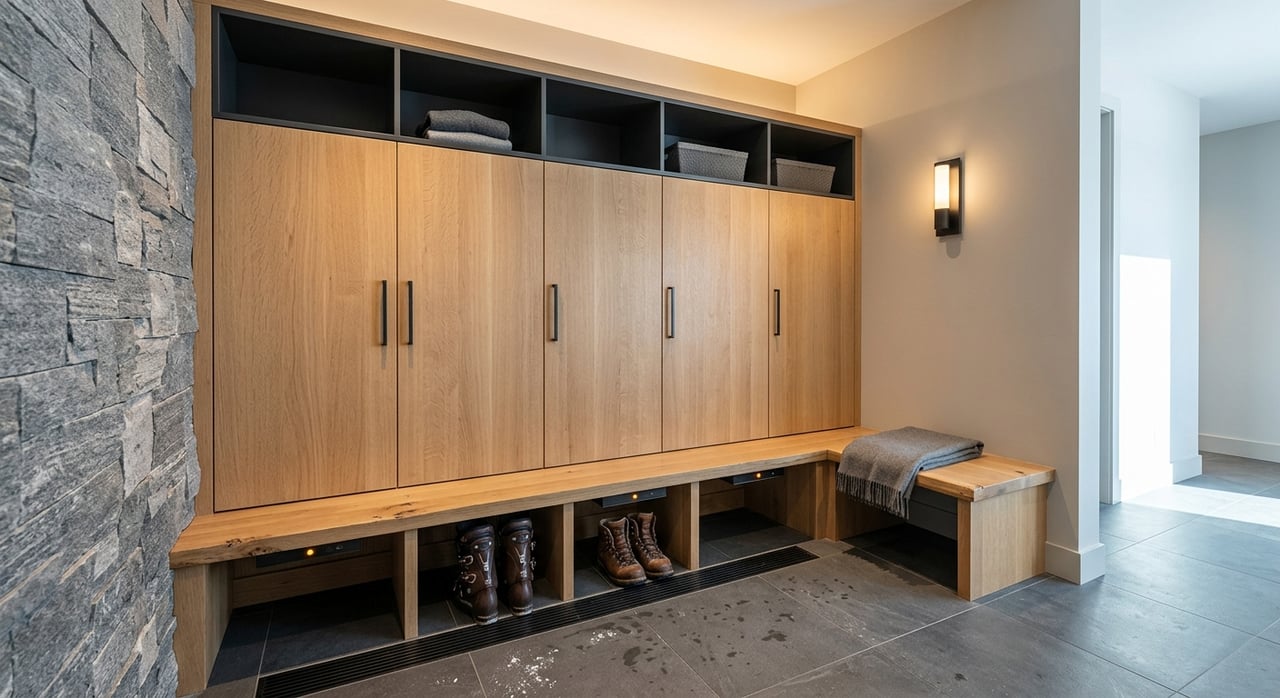
Snowmass Village also features many condos and townhomes, but the feel is different. Official lodging examples include Capitol Peak Lodge, Laurelwood, Interlude, Woodrun Place, Deerbrook townhomes, and Snowmass Mountain Lodging residences in Base Village. These properties often emphasize ski-in/ski-out access, shuttle service, ski lockers, parking, concierge support, and full kitchens.
In practical terms, Snowmass Village often suits buyers who want more of the daily logistics wrapped into the property or surrounding resort environment. If you value ease on ski mornings or want a residence that feels purpose-built for seasonal living, this can be a meaningful advantage.
Lock-and-Leave Convenience Compared
Both Aspen Core and Snowmass Village can work well as lock-and-leave second homes. The difference is not whether they are convenient. It is what kind of convenience you prefer.
Aspen Core offers convenience through walkability and transit access. You can enjoy an in-town lifestyle where restaurants, shops, and local services are close at hand, and the free Downtowner can help you move around downtown without driving. For buyers who want energy, spontaneity, and a central base, that is hard to replicate.
Snowmass Village offers convenience through a more self-contained setup. Internal shuttles, village connections, ski access, and lodging patterns that often include support services create a smoother day-to-day experience for owners who want fewer moving parts. If you are buying a second home to arrive, settle in quickly, and focus on recreation, Snowmass may feel more turnkey.
Rental Rules Matter More Than Many Buyers Expect
If rental income is part of your second-home strategy, this is where details matter. In both Aspen and Snowmass Village, short-term rental use is regulated, and your options may depend on more than the property address alone.
Aspen short-term rental framework
Aspen requires a separate short-term rental permit and STR business license. The city’s current framework includes Lodging Exempt, Owner-Occupied, and Classic permits. Owner-Occupied permits are limited to 120 nights per year, Classic permits can be capped by zone, and permits must be renewed annually.
Aspen also lists different combined lodging and STR tax rates depending on permit type. Current posted rates are 12.35 percent for traditional lodge property, 17.35 percent for owner-occupied or lodging-exempt property, and 22.35 percent for classic investment STR property. Those distinctions can materially affect how a property performs if you are underwriting rental use.
Snowmass Village short-term rental framework
Snowmass Village also requires a business license and STR permit for stays under 30 consecutive days. The town states that its revised regulations became effective December 30, 2025. Under that framework, all STR permits expire on April 30 each year, the permit fee is $400, and permit categories include hotels, multi-family units, and single-family homes or duplexes.
Snowmass Village lists its lodging tax at 12.8 percent. On paper, that may sound simpler, but you still need to confirm how the specific building, HOA, and unit type interact with town rules before making any rental assumptions.
Why Building-Level Review Is Essential
A second home can look ideal until you study the operating details. In both locations, HOA rules, permit class, renewal timing, and tax treatment can shape whether a property functions more like an income-producing asset or primarily a personal-use retreat.
That is why broad assumptions can be costly. Two residences in the same town may offer very different ownership experiences depending on the building structure and rental framework. If rental flexibility matters to you, the right strategy starts with unit-specific due diligence, not general impressions.
Which Location Fits Your Lifestyle Best?
Choose Aspen Core if you want urban energy
Aspen Core tends to fit buyers who want the most central, walkable base for restaurants, shopping, and cultural activity. It often works well if you are comfortable with a condo or condo-hotel format and want your second home to feel plugged into downtown life.
You may prefer Aspen Core if your ideal visit includes morning coffee on foot, easy access to downtown amenities, and a home base that keeps you close to the center of Aspen.
Choose Snowmass Village if you want resort ease
Snowmass Village tends to fit buyers who want a more resort-oriented second home with ski-focused access and built-in transportation support. The village layout feels more self-contained, and many properties are designed around seasonal convenience.
You may prefer Snowmass Village if your ideal stay revolves around ski access, simpler internal transportation, and a home environment that feels more like a mountain resort than a traditional downtown.
A Smart Second-Home Strategy Starts With Your Use Pattern
The best choice is usually not about which location is better in the abstract. It is about how you plan to live in the home. If you want walkability, downtown access, and an in-town rhythm, Aspen Core may be the stronger fit. If you want ski-oriented convenience, a resort-style setting, and a more packaged ownership experience, Snowmass Village may serve you better.
For many buyers, the right answer comes from balancing three things: lifestyle, property format, and rental intent. When those three align, your second home tends to feel easier to own and more rewarding to use.
If you are comparing Aspen Core and Snowmass Village with a long-term lens, working with a team that understands local nuance can make the process far more efficient. Tara Cathcart & Susan Lodge offer a discreet, highly tailored approach for second-home buyers who want clear guidance, thoughtful strategy, and concierge-level support.
FAQs
Is Aspen Core or Snowmass Village better for a walkable second home?
- Aspen Core is generally the more urban and walkable option, while Snowmass Village is also pedestrian-friendly but functions more like a self-contained resort campus.
What property types are common in Aspen Core for second-home buyers?
- Aspen Core commonly features condominiums and condo-hotels, which often appeal to buyers looking for lower-maintenance, in-town ownership.
What property types are common in Snowmass Village for second-home buyers?
- Snowmass Village often includes resort-style condos and townhomes, many of which emphasize ski access, shuttle service, parking, and other seasonal-living conveniences.
Do Aspen Core second homes have short-term rental rules?
- Yes. Aspen requires a short-term rental permit and STR-specific business license, with permit categories, annual renewals, night limits for some permit types, and tax rates that vary by classification.
Do Snowmass Village second homes have short-term rental rules?
- Yes. Snowmass Village requires a business license and STR permit for stays under 30 consecutive days, with annual expiration dates, permit fees, and permit categories based on property type.
How should you choose between Aspen Core and Snowmass Village for a second home?
- The best choice depends on how you plan to use the home, including whether you prioritize downtown access, resort convenience, property type, and potential rental use.