How can two homes on the same Aspen hillside sell for very different prices? If you are shopping on Red Mountain or preparing to list, those gaps can feel puzzling. The truth is, small physical differences on this slope translate into big swings in value. In this guide, you will learn what drives premiums on Red Mountain and how to evaluate them with confidence. Let’s dive in.
Red Mountain at a glance
Red Mountain sits above downtown Aspen, overlooking Aspen Mountain and the valley. Parcels are carved into steep, sometimes wooded terrain, and most are developed as luxury single‑family homes. Prestige, limited developable land, and proximity to core amenities create a market where nuance matters.
Regulations that limit new supply and hillside disturbance increase the value of parcels with superior attributes. The buyer pool is national and international, and top-tier demand favors views, privacy, and design pedigree. Seasonal patterns also matter, since winter and summer traffic reward properties with better solar exposure and easier access.
View corridors shape value
Views are the emotional anchor of Red Mountain living. A premium view corridor delivers direct, unobstructed panoramas of Aspen Mountain, downtown lights, and surrounding peaks. Because views are unique and cannot be replicated, they are a primary driver of price.
What to look for:
- Orientation of main living spaces toward long alpine vistas.
- Elevation that opens the skyline and reduces future obstruction risk.
- Limited foreground clutter, such as roads or utility lines.
- Neighboring building envelopes and tree cover that could impact views over time.
Common tradeoffs: Maximizing views often increases exposure to sun and wind. Smart architecture balances large glazing with thermal comfort and snow management.
Solar exposure and year‑round ease
Solar exposure refers to how much direct sunlight a site receives through the seasons. On Red Mountain, southern and southwest aspects capture valuable winter sun.
Why it matters:
- More natural light and passive warmth for comfort in winter.
- Faster snowmelt on driveways and terraces.
- Longer shoulder seasons for outdoor living.
How to assess:
- Aspect and slope angle, plus nearby ridgelines that cast winter shadows.
- Tree canopy and other microclimate features.
- Opportunities for passive solar design and photovoltaic systems.
Watchouts: Strong southern exposure can add summer heat without shading, and ridgeline sites can be windier.
Privacy and exclusivity
Privacy is a luxury amenity in a resort setting. Secluded lots reduce noise and sightlines from roads and neighbors, and they support thoughtful outdoor spaces.
How to measure it:
- Lot size and shape, topographic buffers, and existing vegetation.
- Distance to neighboring structures and visibility from public roads.
- Shared easements or paths that may affect perceived seclusion.
Tradeoffs: Highly private sites may require longer or steeper drives and can increase utility or maintenance complexity.
Architecture and pedigree
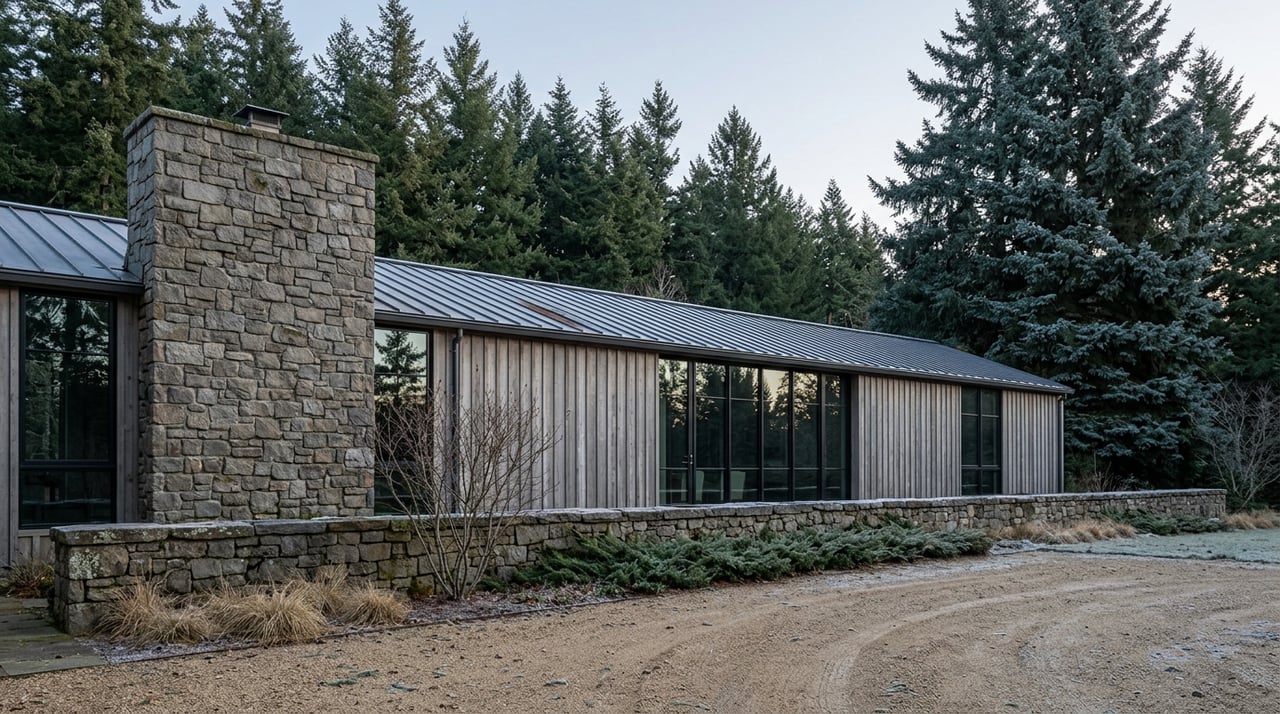
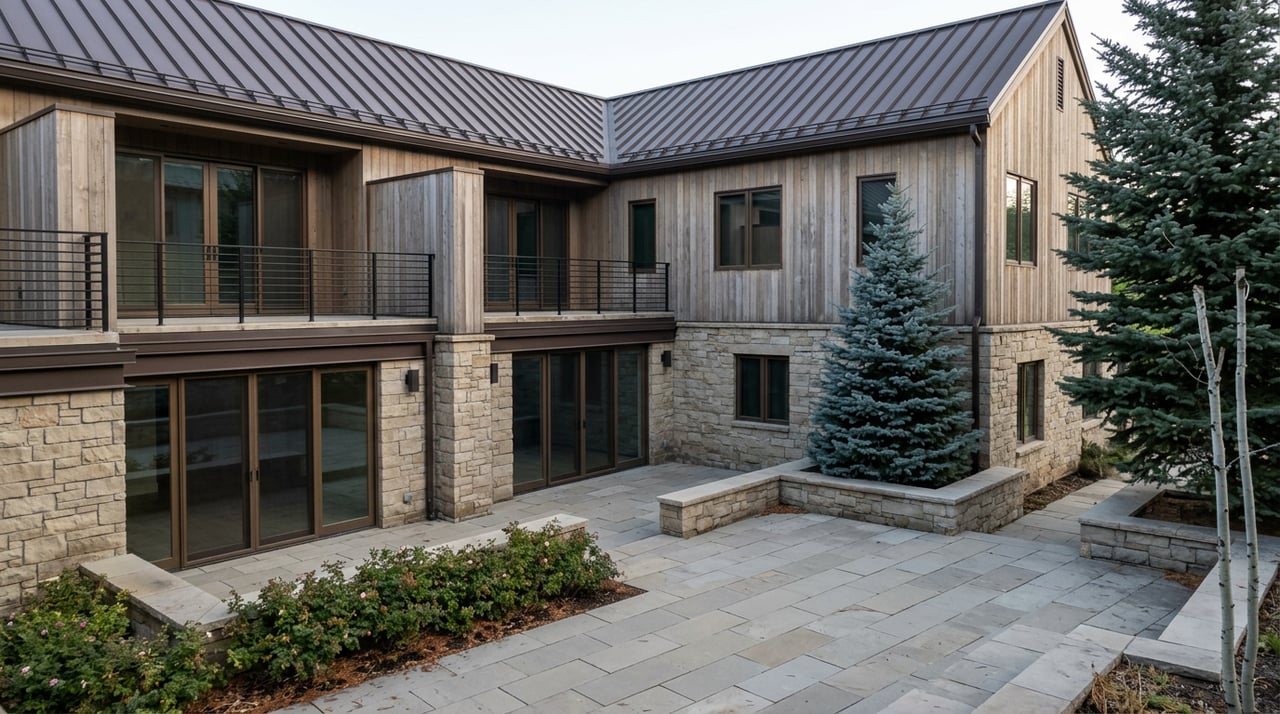
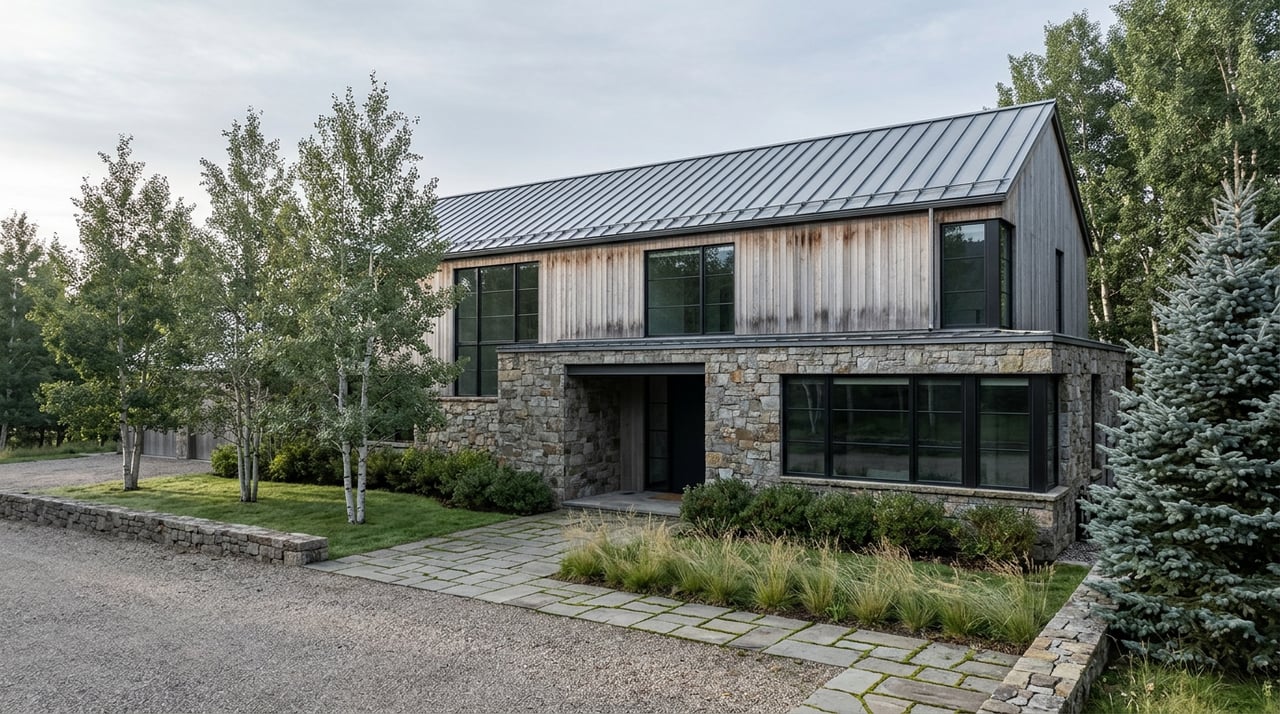
Design pedigree and build quality command attention on Red Mountain. Notable architects, careful engineering, and durable materials attract buyers who pay for provenance, performance, and a timeless fit with the site.
What signals quality:
- Architect and builder track record and any design awards.
- Materials suited to climate, including stone, steel, and high‑performance glazing.
- Energy performance, insulation, and systems that support year‑round comfort.
- Seamless indoor‑outdoor integration that frames the setting.
Considerations: Signature design can raise both acquisition price and ongoing upkeep. Older luxury homes may need updates to align with current energy and system standards.
Access and winter logistics
Year‑round access shapes daily ease for owners, guests, and services. In winter, manageable road grades and reliable snow removal are essential.
Key checks:
- Whether roads are public or private and who manages snow removal.
- Driveway slope, surface, and turnarounds for service vehicles.
- Distance and time to downtown and ski lifts during winter conditions.
- Utilities, including municipal water or septic, power line type, and any backup generation.
Tradeoffs: Some buyers accept a steeper or longer approach for better views and privacy. Clear disclosure of maintenance agreements is important.
Proximity to town and lifts
Time cost matters. Properties with shorter trips to dining, culture, healthcare, and ski access often achieve higher per‑square‑foot prices, especially for owners using homes year‑round.
Ways to evaluate:
- Real travel time in winter, not just distance on a map.
- Walkability to downtown segments or to transit stops.
- Practical ski access options and guest logistics.
Balance: Closer proximity to town can compress privacy or view breadth. Many Red Mountain parcels strike a middle ground between convenience and seclusion.
How to quantify premiums
Not every difference shows up in price per square foot. Use a structured approach to understand value.
Comparison methods that work
- Matched‑pair analysis: Compare sales that are similar in size and age but differ in one attribute, such as view or aspect, to estimate that attribute’s premium.
- Time‑adjusted comparables: Control for market movement when comparing across months or seasons.
- Hedonic analysis: Local appraisers and broker analysts may model how lot, view, and design variables explain price in this micro‑market.
Metrics and proxies to consider
- Price per developable or slope‑adjusted acre, since usable acreage varies on steep terrain.
- Price per square foot of conditioned living area, interpreted alongside view and lot attributes.
- A “view premium” proxy based on paired sales with panoramic views versus similar homes without.
- Days on market and list‑to‑sale ratio as signals of demand for certain features.
Smart due diligence for buyers
Use a disciplined checklist when you evaluate a Red Mountain home or site:
- Confirm legal building envelopes, height limits, setbacks, and any design review requirements.
- Review Pitkin County parcel and slope data for boundaries, contours, and easements.
- Verify water and sewer connections or the status of well and septic systems.
- Ask about snow removal responsibilities for private roads and driveways.
- Request energy performance information when solar exposure is a selling point.
- Review local hazard maps for wildfire and slope stability where applicable.
- Study neighboring building envelopes and vegetation plans that could affect views.
Seller essentials to support your price
If you plan to list on Red Mountain, organize evidence that highlights your property’s edge:
- Document view protections, such as adjacent conservation or scenic easements when available.
- Provide winter access details, including plowing contracts and driveway grade data.
- Share utility information and any upgrades to energy systems or insulation.
- Prepare a clear map of travel times to downtown and ski lifts in winter conditions.
- Invest in editorial‑grade media that demonstrates view corridors, solar light, and privacy.
- Offer recent inspections or third‑party reports that validate condition and performance.
Timing and seasonality tips
Aspen sees cyclical buyer activity tied to the ski season and summer. Homes that perform well in winter light and access often gain extra attention during colder months. In summer, outdoor spaces and evening light become more prominent. Aligning your listing or search with seasonal strengths can help the right features shine.
What this means for you
On Red Mountain, premiums are earned by tangible attributes that enhance daily life: view corridors, sunlight, privacy, design, access, and proximity. When you measure these factors with the right comparisons and documentation, you can buy with conviction or sell with clarity. For a confidential discussion of your goals on Red Mountain, connect with Tara Cathcart & Susan Lodge for boutique guidance and editorial‑grade marketing.
FAQs
Why do similar‑size Red Mountain homes sell at different prices?
- Small differences in view quality, solar exposure, privacy, access, and design pedigree create outsized price dispersion in a scarce, high‑demand hillside market.
How permanent is a Red Mountain view?
- Permanence depends on neighboring development rights, tree growth, and any conservation or scenic easements, so review building envelopes and vegetation plans around the property.
Are hillside homes more expensive to maintain in Aspen?
- Often yes, due to snow removal, access and driveway care, erosion control, retaining walls, and specialized exterior material maintenance.
Does solar exposure lower operating costs meaningfully?
- It can help with passive warmth, daylighting, and faster snowmelt, but savings depend on overall building performance, insulation, and mechanical systems.
What non‑physical factors can amplify price?
- Market perception and provenance, including architect pedigree or notable ownership history, can elevate value beyond the sum of physical features.